




Introduction to Japanese Dumplings
Japanese dumplings, or gyoza, are a delightful addition to any meal and definitely worth your culinary efforts. These little bites of joy not only satisfy your taste buds, but they also provide a perfect canvas for creativity in your home cooking. If you’re looking to elevate your homemade meals, incorporating gyoza is a fun way to impress your friends and family.
Why Japanese Dumplings Are a Must-Try for Your Homemade Meals
So why should you consider making Japanese dumplings? Firstly, the versatility of the gyoza filling is nothing short of impressive. Traditional fillings often include beef, vegetables, or even tofu, allowing you to tailor each batch to your specific tastes or dietary preferences. You can easily opt for lean protein like turkey bacon or chicken ham to create healthier variations without sacrificing flavor.
Furthermore, the gyoza cooking process is inherently social. Often served with a side of dipping sauce, these dumplings can be a communal experience where everyone gets involved, folding, filling, and cooking together. This makes them a fantastic option for dinner parties or weekend gatherings with friends.
Beyond just being fun to make and share, research shows that engaging in cooking can significantly enhance your mental well-being—making it a great hobby for young professionals looking to unwind after a hectic week. According to experts at Psychology Today, the act of cooking can boost mood and foster creativity.
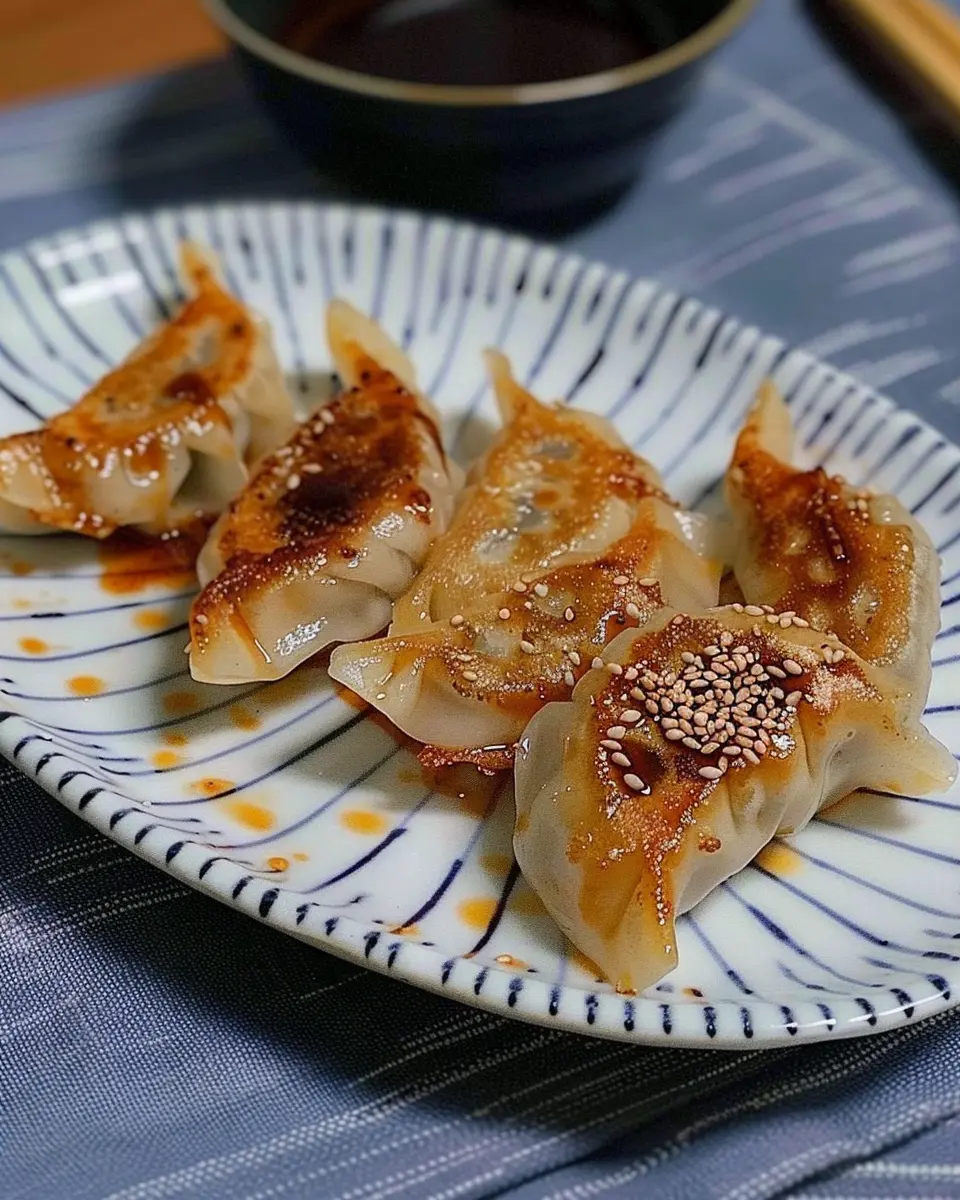
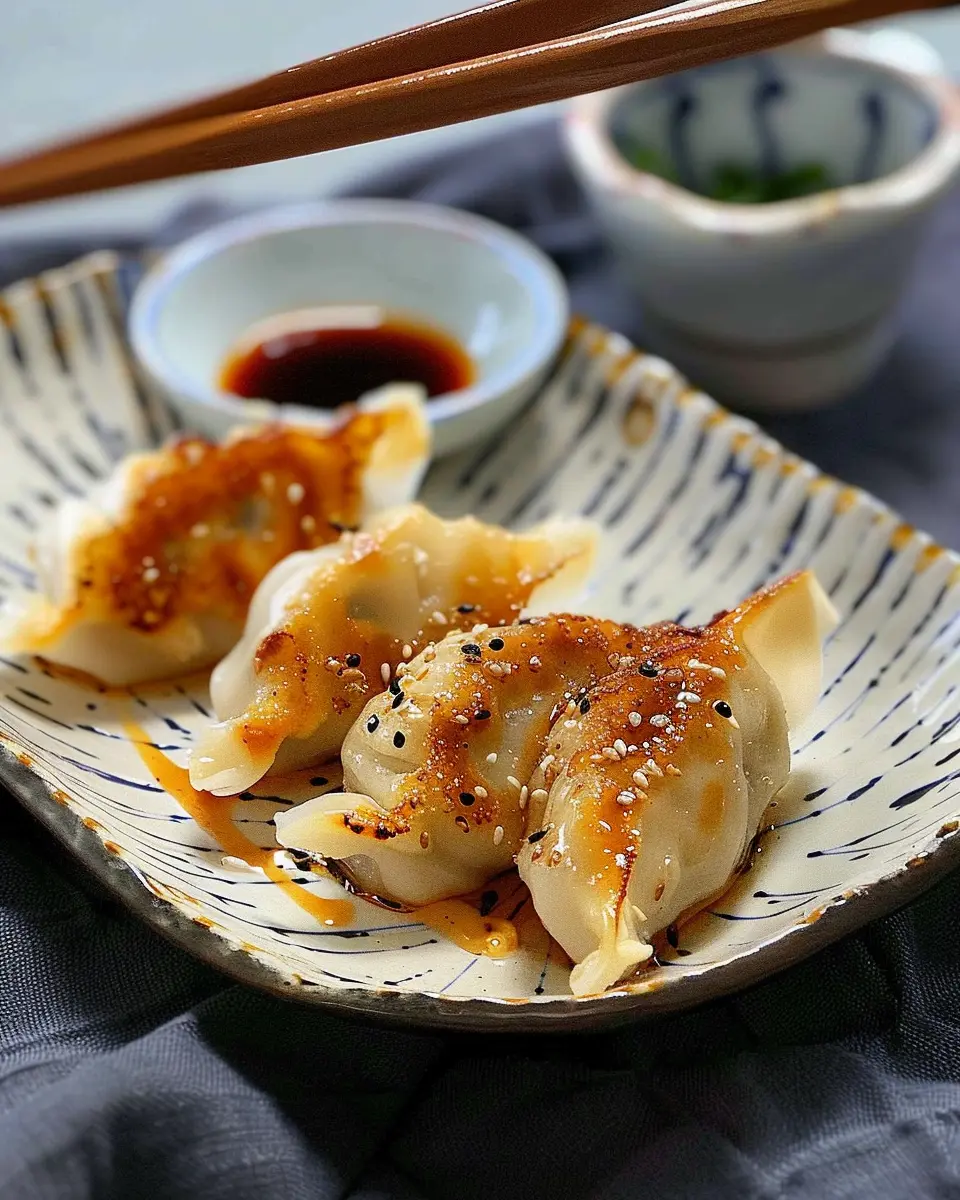
And let’s not forget the aesthetic appeal! A plate of beautifully pan-fried gyoza can be the star of your dining table. The golden-brown crust and the enticing aromas wafting from the pan can create a feast not just for the stomach, but for the eyes and senses as well.
As you gear up to experiment with this wonderful dish, remember that practice makes perfect. The more you make gyoza, the better your technique becomes, allowing you to create delectable dumplings that will surely impress everyone around you. So, roll up your sleeves, grab your ingredients, and let’s dive into the world of Japanese dumplings!
Ingredients for Japanese Dumplings
Essential Ingredients for the Filling
When crafting your Japanese dumpling filling, focus on fresh and vibrant ingredients that pack a flavorful punch. You’ll want to use:
- Ground Beef: A great substitute for traditional pork that offers a robust flavor.
- Chopped Vegetables: Think green onions, garlic, and napa cabbage for a delightful crunch.
- Turkey Bacon or Chicken Ham: Adding these will enhance the umami flavor while keeping it succulent.
- Seasonings: Soy sauce, sesame oil, and a touch of ginger create a mouthwatering, savory profile.
Gyoza Wrapper Options
For the perfect dumpling, the wrapper plays a key role. You can choose:
- Store-Bought Gyoza Wrappers: Saves time and are readily available at Asian markets.
- Homemade Wrappers: Feeling adventurous? Combine flour and water for a personalized touch!
Recommended Sauces and Condiments
To elevate your Japanese dumpling experience, consider pairing with these delightful sauces:
- Soy Sauce: A classic dipping sauce that’s simple yet satisfying.
- Chili Oil: For those who crave a little heat.
- Ponzu Sauce: A citrusy alternative that adds a refreshing twist.
Ready to make your Japanese dumplings? Your kitchen is about to smell amazing! For more insights on gyoza and its variations, check out Just One Cookbook for a deep dive into authentic Japanese flavors.
Preparing Japanese Dumplings
Making Japanese dumplings, particularly gyoza, is a delightful culinary adventure that allows you to customize flavors and fillings to your liking. Follow these simple steps to create your own delectable dumplings at home.
Gather Your Ingredients
Before you start cooking, ensure that you have everything on hand. The beauty of gyoza lies in their versatility, so feel free to adjust the ingredients according to your preference. Here’s what you’ll need:
- Gyoza wrappers (you can find these at most Asian grocery stores)
- 200g ground beef
- 100g chopped turkey bacon or chicken ham
- 1 cup finely chopped cabbage
- 1 cup finely chopped green onions
- 2 cloves garlic, minced
- 1 teaspoon grated ginger
- 1 tablespoon soy sauce
- 1 tablespoon sesame oil
- Salt and pepper to taste
- Optional: chili oil or sauce for a spicy kick
You can also explore this resource on gyoza for some additional tips.
Finely Chop the Vegetables
Chopping vegetables may seem tedious, but the finer you chop them, the better your Japanese dumplings will be. Aim for tiny, uniform pieces to ensure even cooking and easy folding. Here are a few tips:
- Use a sharp knife for clean cuts.
- If you’re in a hurry, consider using a food processor. Just pulse the veggies until they’re nicely diced.
- Remember to squeeze out excess water from the cabbage to avoid a soggy filling.
Mix the Filling Ingredients
Now that your veggies are prepped, it’s time to combine everything into a flavorful filling. In a large mixing bowl, add the ground beef, chopped turkey bacon or chicken ham, finely chopped cabbage, green onions, garlic, ginger, soy sauce, sesame oil, and season with salt and pepper.
- Use your hands to mix everything thoroughly; it’s more effective than a spoon!
- Ensure the mixture is well-combined but not over-mixed, which can make the filling tough.
At this stage, taste a small bit (it’s raw, but it will help you adjust seasonings) or sauté a tiny blob in a pan to get a feel for the flavor profile.
Shape the Gyoza
Shaping your Japanese dumplings can be a fun exercise in creativity. Here’s how to do it:
- Layout a gyoza wrapper on a clean, dry surface.
- Spoon about a teaspoon of the filling mixture into the center of the wrapper.
- Dip your finger in water and run it along the edges of the wrapper. This helps seal the dumpling.
- Fold the wrapper in half, enclosing the filling, and pinch the edges together. For extra flair, you can create pleats along the edge by folding the wrapper over itself as you pinch.
Practice makes perfect, so don’t worry if your first few aren’t picture-perfect.
Pan-Fry the Gyoza Perfectly
Now comes the cooking! This step is vital for achieving that crispy-bottomed, tender-top texture that gyoza is known for.
- In a non-stick pan, heat a tablespoon of oil over medium-high heat.
- Arrange the gyoza in a single layer and cook until the bottoms are golden brown, about 2-3 minutes.
- Carefully pour in about half a cup of water (watch out for splatters!) and cover the pan immediately. This will steam the gyoza for 7-8 minutes.
- Remove the lid and let them cook for another 2-3 minutes until the water is evaporated and the bottoms are crispy again.
Once done, serve your gyoza with a dipping sauce made of soy sauce, vinegar, and a hint of chili oil. These little pockets of joy are sure to impress your friends and family!
By following these steps, you’re sure to master the art of Japanese dumpling making in no time. Happy cooking!
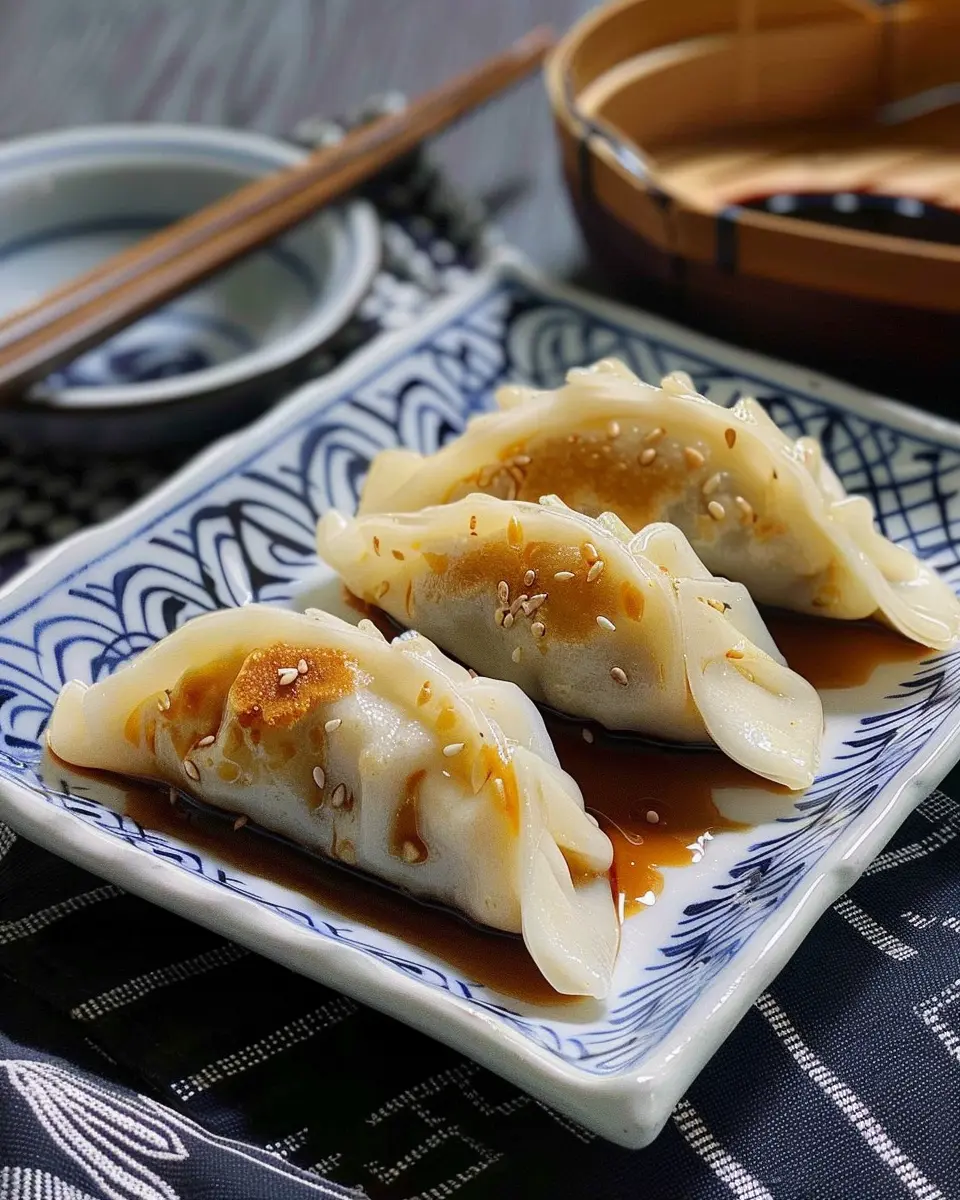
Variations on Japanese Dumplings
Vegetarian Gyoza with Tofu and Veggies
If you’re looking to enjoy a Japanese dumpling that’s completely plant-based, try making vegetarian gyoza filled with tofu and fresh vegetables. Start with firm tofu, which holds its shape beautifully during cooking. Crumble it and mix in finely chopped vegetables like carrots, cabbage, and bell peppers. Season with soy sauce, garlic, and ginger for that umami punch. You can also add mushrooms for a delightful earthiness!
You’ll find that this combination not only caters to vegans but also makes for a light, satisfying meal that packs a nutritional punch. Serve these dumplings with a tangy dipping sauce made from soy sauce and a splash of rice vinegar for an extra kick. For more vegetarian inspiration, check out this comprehensive guide to gyoza variations.
Unique Flavor Options: Spicy or Sweet Gyoza
Who says Japanese dumplings can’t be adventurous? You can give your gyoza a twist by experimenting with flavor profiles. For a spicy version, consider mixing in chili oil or Sriracha with your filling. Adding a bit of sesame oil can also provide that nutty richness that balances the heat perfectly.
On the sweeter side, how about a dessert gyoza? Fill dumpling wrappers with sweetened cream cheese or red bean paste, sprinkle with coconut sugar, and pan-fry them until golden. A drizzle of honey or a dusting of powdered sugar makes them an irresistible treat.
As you can see, the possibilities are endless! Don’t hesitate to get creative and experiment with these variations—your kitchen adventures await!
Cooking Notes for Japanese Dumplings
Tips for Perfecting Your Gyoza
Making Japanese dumplings can be an incredibly rewarding experience when you master the techniques. To ensure your gyoza are perfectly crispy on the bottom and tender on top, try these tips:
- Dough Matters: Use fresh gyoza wrappers, as they have the right texture and elasticity. You can buy them at an Asian grocery store or make them from scratch for a fun twist.
- Don’t Overfill: It’s tempting, but too much filling can cause the wrappers to break. A teaspoon is usually the perfect amount.
- Seal Securely: Ensure your dumplings are well-sealed by wetting the edge of the wrapper. This prevents filling spills during cooking and enhances the overall presentation.
Common Mistakes to Avoid
Even seasoned cooks make a few missteps when crafting Japanese dumplings. Here are common pitfalls to watch out for:
- Soggy Bottoms: Avoid overcrowding the pan when frying. Cook in smaller batches to achieve that desired golden crust.
- Under-seasoning: Flavor your filling well! A sprinkle of salt or a dash of soy sauce can transform the taste.
- Skipping the Resting Phase: Give your filled dumplings a chance to rest for about 10 minutes before cooking. This step helps firm them up and ensures even cooking.
As you embark on your gyoza journey, consider visiting Serious Eats for further insights on Japanese dumpling techniques and variations. Happy cooking!
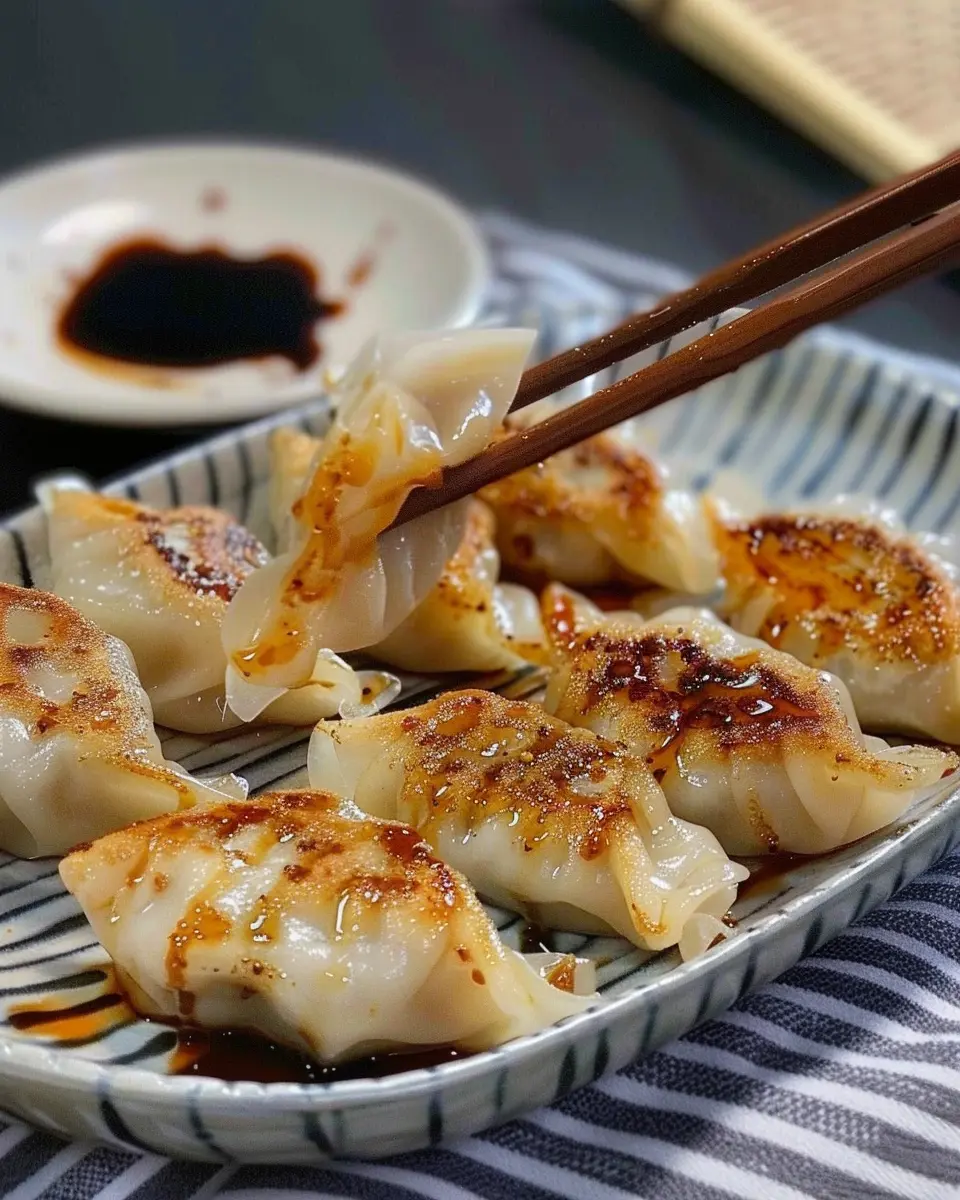
Serving suggestions for Japanese Dumplings
Pairing gyoza with dipping sauces
When it comes to enjoying your Japanese dumplings, the right dipping sauce can elevate the flavors to a whole new level. A classic choice is a blend of soy sauce, rice vinegar, and a dash of sesame oil. For an extra kick, consider adding chili oil or minced garlic. Don’t shy away from experimenting! Some people love a sweeter soy sauce, while others may prefer a tangy ponzu sauce. Check out ideas for homemade dipping sauces on sources like Serious Eats for inspiration.
Creative side dishes to complement your meal
While Japanese dumplings are undoubtedly the star of your plate, adding a few exciting side dishes can create a well-rounded meal. Here are some ideas:
- Asian-inspired salads: A fresh cucumber salad or tangy pickled vegetables can provide a refreshing contrast.
- Steamed rice: Fluffy white or jasmine rice works well to soak up the flavors.
- Miso soup: This warming soup adds depth and complements the umami flavors of the dumplings.
These combinations not only enhance your dining experience but also add variety to your palate. Enjoy the process and make it your own!
Tips for Making Perfect Japanese Dumplings
Using Store-Bought vs. Homemade Wrappers
When it comes to Japanese dumplings, you’ll often find yourself at a crossroads between convenience and authenticity. Store-bought wrappers are a fantastic time-saver and can yield delicious results with minimal effort. They typically come in various sizes, great for steaming, frying, or pan-frying. However, if you’re feeling adventurous, making your own wrappers allows you to customize the thickness and texture to your liking. Plus, there’s something incredibly satisfying about kneading the dough and rolling it out yourself!
For those interested in exploring homemade options, check out this easy dumpling wrapper recipe that guides you through the process.
How to Ensure Even Cooking and Crispness
The perfect Japanese dumpling should be golden brown and crispy on the outside, yet tender and steamy on the inside. Here’s how to achieve that:
- Consistent Size: Make sure all your dumplings are roughly the same size. This ensures even cooking—larger dumplings may take longer to cook while smaller ones can overcook.
- Preheat Your Pan: Start with a hot, non-stick skillet, adding oil after it’s heated. This will create that beautiful golden crust.
- Steam for Perfection: Once the bottoms are browned, add a splash of water (about 1/4 cup), cover the pan, and allow them to steam. This method gives you that delightful contrast of textures!
Cooking dumplings doesn’t have to be daunting. With these tips, you’ll be on your way to making perfect Japanese dumplings that impress friends and family and satisfy your taste buds!
Time Details for Japanese Dumplings
When it comes to making delicious Japanese dumplings, knowing your time commitments can make the process much smoother! Here’s a quick breakdown to help you plan your cooking adventure.
Preparation Time
Getting everything ready takes about 30 minutes. This includes chopping your ingredients, preparing the filling, and wrapping those delightful dumplings.
Cooking Time
Once your dumplings are prepped, cooking them will take around 10-15 minutes. You can choose to steam, pan-fry, or boil them—each method offers a unique flavor and texture!
Total Time Needed
In total, you’re looking at about 40-45 minutes from start to finish. Perfect for a weeknight dinner or a weekend gathering with friends!
If you’re looking for more tips on authentic Japanese dumplings, check out Just One Cookbook for additional insights and variations.
Nutritional Information for Japanese Dumplings
When it comes to enjoying Japanese dumplings, understanding their nutritional value can enhance your meal experience.
Calories per serving
A typical serving of homemade gyoza contains around 200-300 calories, depending on the filling and cooking method. Steaming or pan-frying with minimal oil keeps the calorie count in check while maintaining fantastic flavor.
Key nutrients in gyoza
These delightful dumplings offer a variety of essential nutrients:
- Protein: Around 10-15 grams per serving, thanks to fillings like chicken ham or beef.
- Carbohydrates: Approximately 30 grams, providing a good energy source.
- Fiber: Found in the vegetables, helping you feel full longer.
Health benefits of main ingredients
The main ingredients in Japanese dumplings not only pack flavor but also offer health benefits:
- Cabbage and spinach: Rich in vitamins A and C, boosting immunity.
- Garlic and ginger: Known for their anti-inflammatory properties and digestive benefits.
- Turkey bacon: A lean alternative that lowers saturated fat intake while still offering protein.
For more information on the health benefits of specific ingredients, consider checking out resources from Healthline. Incorporating Japanese dumplings into your meals can be both a delicious and nutritious choice!
FAQs about Japanese Dumplings
How can I make my dumplings gluten-free?
If you’re looking to enjoy delicious Japanese dumplings without gluten, you’re in luck! The first step is to use gluten-free wrappers, which are often made from rice flour or a combination of starches. You can find these at most Asian grocery stores or online. For the filling, ensure that ingredients like soy sauce are gluten-free; brands like Tamari offer excellent alternatives. Mixing in fresh vegetables and proteins like turkey bacon or beef can also enhance flavor without adding gluten.
What’s the best way to store leftovers?
After a fantastic meal, you might find yourself with some leftover Japanese dumplings. To store them effectively, let them cool completely first. Then, place them in an airtight container between sheets of parchment paper to prevent sticking. Stored this way, they can last in the fridge for up to three days. If you want to revive that just-made taste, reheating in a skillet with a little oil gives you that perfect crispy texture.
Can I freeze Japanese dumplings for later use?
Absolutely! Freezing is a great way to have Japanese dumplings on hand for busy days. You can freeze them uncooked or cooked. To freeze uncooked dumplings, lay them out on a baking sheet in a single layer until firm, then transfer them to a freezer-safe bag. When you’re ready to enjoy them, there’s no need to thaw—just cook them directly from frozen! If you’re looking for additional tips on the best freezing practices, check out resources from The Kitchn.
These tips should keep your dumpling experience fresh, whether you’re indulging today or saving them for a rainy day!
Conclusion on Japanese Dumplings
Recap of the joys of homemade gyoza
Crafting Japanese dumplings is a delightful experience that brings a touch of Japan right into your kitchen. The joy of making gyoza from scratch lies in the process—from mixing the savory filling of minced beef, turkey bacon, and vegetables to skillfully folding the delicate wrappers. Not only do you get to savor the delicious results, but you also get to share them with friends and family, creating lasting memories around the dinner table.
If you haven’t tried making gyoza yet, I highly recommend diving in. With each bite, you’ll appreciate the flavor and effort that goes into these little pockets of joy. For more inspiration, don’t forget to check out Serious Eats for tips on perfecting your dumpling skills. Happy cooking!
PrintJapanese Dumpling Delight: Easy Recipe with Turkey Bacon Twist
Discover a delightful twist on traditional Japanese dumplings with this easy recipe featuring turkey bacon.
- Prep Time: 20 minutes
- Cook Time: 15 minutes
- Total Time: 35 minutes
- Yield: 4 servings 1x
- Category: Appetizer
- Method: Frying
- Cuisine: Japanese
- Diet: Low-carb
Ingredients
- 1 cup all-purpose flour
- 1/2 cup water
- 1/2 pound turkey bacon, chopped
- 1 green onion, sliced
- 1 tablespoon soy sauce
- 1 teaspoon sesame oil
- 1/4 teaspoon black pepper
- 1 tablespoon vegetable oil for frying
Instructions
- In a mixing bowl, combine flour and water to form a dough.
- In another bowl, mix turkey bacon, green onion, soy sauce, sesame oil, and black pepper.
- Roll the dough into thin circles and place a spoonful of filling in the center.
- Fold the dough over and pinch to seal the dumpling.
- Heat vegetable oil in a skillet over medium heat.
- Add dumplings and cook until golden brown on both sides.
- Serve warm.
Notes
- For extra flavor, you can add garlic to the filling.
- These dumplings can be served with your favorite dipping sauce.
Nutrition
- Serving Size: 3 dumplings
- Calories: 220
- Sugar: 1g
- Sodium: 320mg
- Fat: 10g
- Saturated Fat: 2g
- Unsaturated Fat: 6g
- Trans Fat: 0g
- Carbohydrates: 28g
- Fiber: 1g
- Protein: 8g
- Cholesterol: 15mg
Keywords: Japanese Dumpling