




Introduction to Amish White Bread
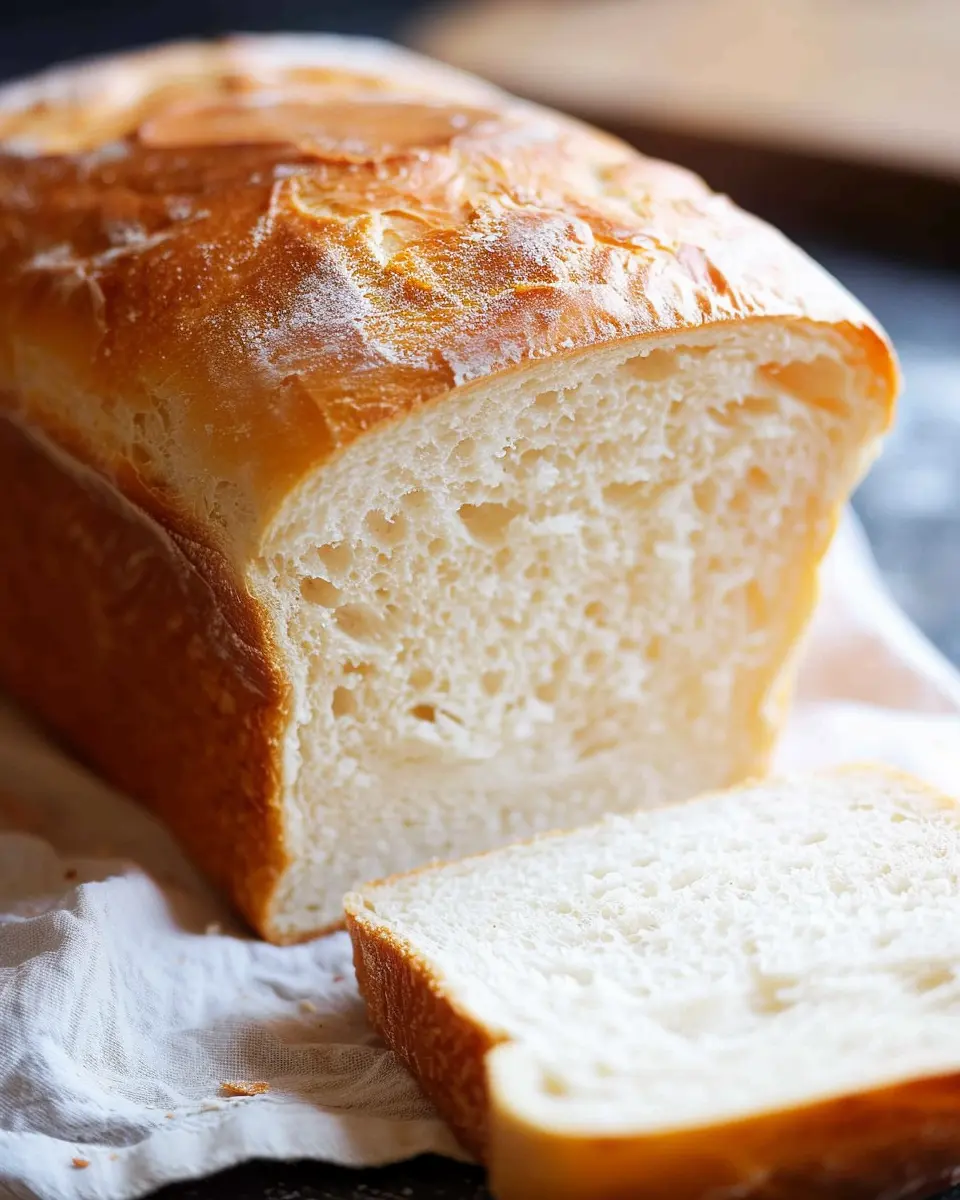
When you think of comfort food, Amish white bread often comes to mind. Known for its soft, fluffy texture and slightly sweet flavor, this bread transcends typical homemade varieties. It’s a creation rooted in tradition, yet appealing to the modern palate, making it a must-try for young professionals. Why, you ask? Well, let’s dive into the delightful world of this bread!
Why Amish White Bread is a Must-Try for Young Professionals
In our fast-paced lives, finding moments of joy in cooking can feel like a luxury. However, baking your own Amish white bread not only saves you money but can also be a therapeutic experience. Imagine the inviting aroma wafting through your kitchen while this bread bakes to golden perfection. It’s a great way to unwind after a long day and simply be present in the moment.
-
Affordable: With just a handful of ingredients—flour, water, sugar, yeast, and salt—you can whip up a loaf that’s both delicious and budget-friendly. A store-bought bread often lacks that homemade charm and can be much pricier!
-
Versatile: Whether you’re crafting a simple sandwich with Turkey Bacon and avocado or indulging in a classic peanut butter and jelly, the mild flavor of Amish white bread complements almost any filling. This versatility makes it an ideal staple to have on hand.
-
Healthier Choice: By making it yourself, you control the ingredients. You can experiment with adding whole grains or seeds to boost the nutrition without sacrificing flavor. Not to mention, homemade bread is usually free from preservatives found in many store-bought varieties.
And let’s not forget the sense of accomplishment that comes with baking. This bread can be a conversation starter when sharing it with friends or colleagues. You might even impress your neighbors during a weekend gathering!
For more insight on the benefits of homemade bread, you might want to check out this informative piece from Healthline. It emphasizes how baking can enhance mental well-being, which aligns perfectly with the high-paced lives we lead.
So, why not roll up your sleeves and embark on this delightful baking journey? You’ll be rewarded with not just delicious bread, but also the satisfaction of having created something special from scratch.
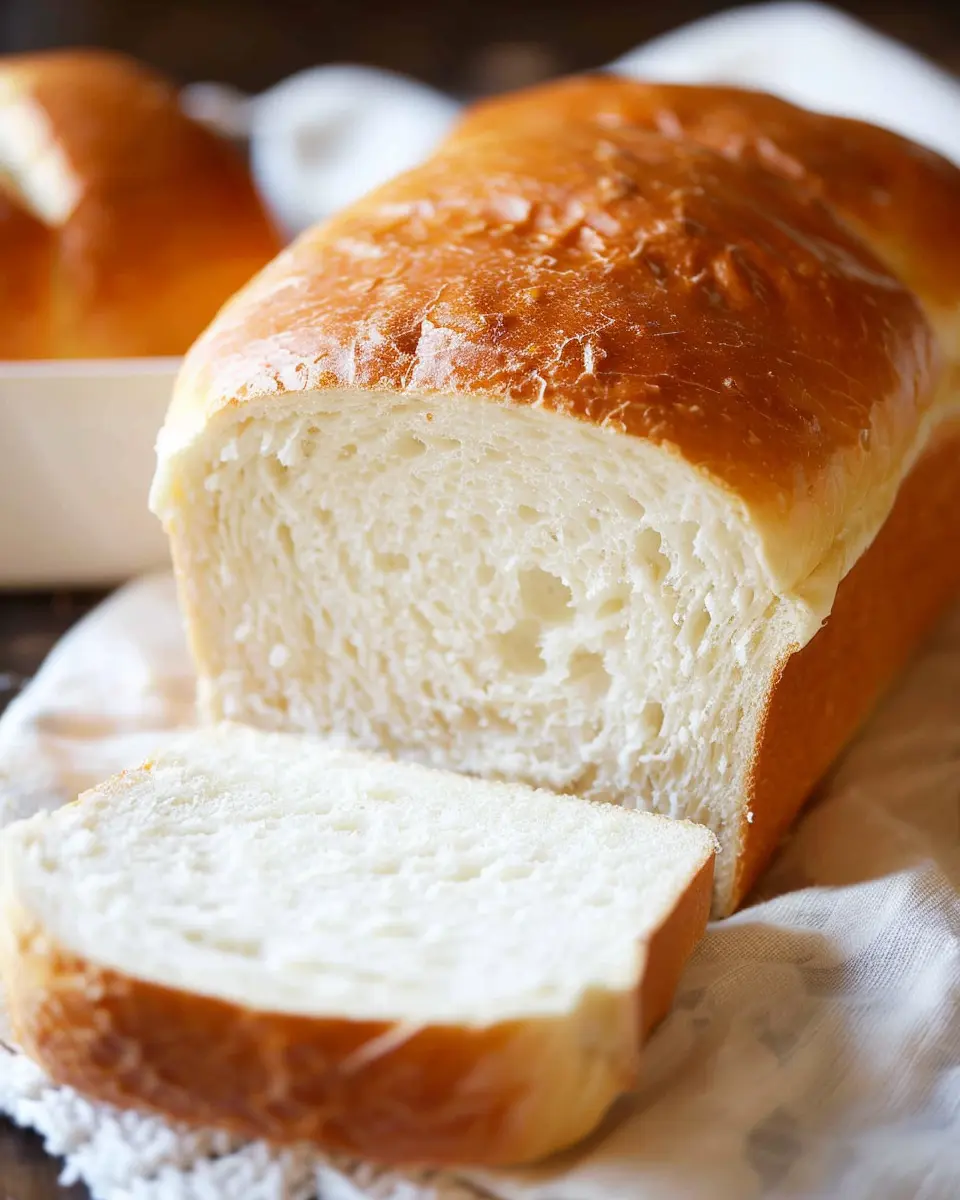
Ingredients for Amish White Bread
When it comes to baking Amish white bread, having the right ingredients is crucial for achieving that soft, fluffy texture and delightful flavor. Here’s what you’ll need:
-
All-Purpose Flour: Use about 5 to 6 cups. This will form the backbone of your dough. Fresh, high-quality flour is essential for the best results.
-
Warm Water: Approximately 2 cups. Ideal temperature is around 110°F (43°C). This helps activate the yeast.
-
Granulated Sugar: Around 1/4 cup. This sweetens the dough and also feeds the yeast, which is key to rising.
-
Salt: About 2 teaspoons. Salt not only enhances the flavor, but it also helps control yeast activity.
-
Active Dry Yeast: You’ll need about 2 1/4 teaspoons, or one standard packet. It’s what gives your Amish white bread its rise and texture.
-
Vegetable Oil or Melted Butter: Approx. 1/4 cup. This adds richness to the bread, making it moist.
Gather these ingredients, and you’ll be well on your way to creating a delicious loaf of homemade Amish white bread. Feel free to check out more tips on baking essentials to elevate your baking game!
Step-by-Step Preparation for Amish White Bread
Making your own Amish white bread is not only a rewarding experience, but it also fills your home with delightful aromas and creates a product that’s far superior to store-bought varieties. Let’s go through this together with easy-to-follow steps, so you can enjoy the process as much as the bread itself!
Gather Your Ingredients
Before diving into the dough, make sure to gather all the necessary ingredients. Here’s what you’ll need:
- 4 cups of all-purpose flour (plus extra for dusting)
- 1 tablespoon of sugar
- 1.5 teaspoons of salt
- 2 tablespoons of vegetable oil (or melted butter)
- 2.25 teaspoons (or one packet) of active dry yeast
- 1.5 cups of warm water (from 100°F to 110°F)
Having everything ready will make the process smoother and more enjoyable. Plus, it’s always a good idea to measure out your ingredients ahead of time! If you need tips on ingredient selection, check out this guide on flour types to find the best option for your bread.
Activate the Yeast
This step is crucial for the perfect rise. In a small bowl, mix the warm water and sugar, then sprinkle the yeast on top. Let it sit for about 5-10 minutes until it’s frothy. This process wakes up the yeast, which is essential for creating that light, airy texture we love in Amish white bread. If it doesn’t foam up, your yeast may not be active, so consider trying a different batch or brand.
Combine and Knead the Dough
In a large mixing bowl, add the flour and salt. Make a well in the center and pour in the yeast mixture along with your vegetable oil. Stir until a rough dough begins to form. Then, it’s time to knead! Transfer the dough to a floured surface and knead for about 8-10 minutes, or until it’s smooth and elastic. This exercise not only bonds the ingredients but also helps develop gluten, which is vital for structure. If you’ve never kneaded bread before, consider this a little workout—and your muscles will thank you!
First Rise – Let It Grow!
Now that you’ve done the hard work, it’s time to let the dough rise. Place it in a lightly greased bowl, cover it with a clean kitchen towel or plastic wrap, and let it rise in a warm spot, free from drafts, for about 1-2 hours, or until it has doubled in size. This is the magic moment—your dough is growing and developing flavors!
Shape the Dough for the Loaf Pan
Once your dough has risen splendidly, punch it down gently to release some of that built-up gas. On a floured surface, shape the dough into a rectangle. Roll it tightly and tuck in the edges to fit snugly into a greased loaf pan. Now it’s ready for a little more love!
Second Rise – Ready for the Oven
Cover your shaped loaf with a towel again and let it rise for the second time in a warm area for about 30-45 minutes. It’s crucial for achieving that perfect loaf of Amish white bread. If you’re feeling adventurous, consider using a baking stone or a Dutch oven for a crustier texture!
Bake to Perfection
Preheat your oven to 350°F (175°C). When your loaf has risen beautifully, pop it into the oven and let it bake for about 30-35 minutes, or until it sounds hollow when tapped on the bottom and has that lovely golden-brown color.
Brush and Cool
Once your bread is done, take it out and let it cool in the pan for about 10 minutes. To enhance its flavor and add a nice sheen, you can brush the top with melted butter or oil. Then, transfer it to a wire rack to cool completely before slicing. The aroma wafting through your kitchen will be heavenly!
Now that you’ve mastered these simple steps, you can enjoy your homemade Amish white bread with a spread of butter, turkey bacon, or even chicken ham. Happy baking!
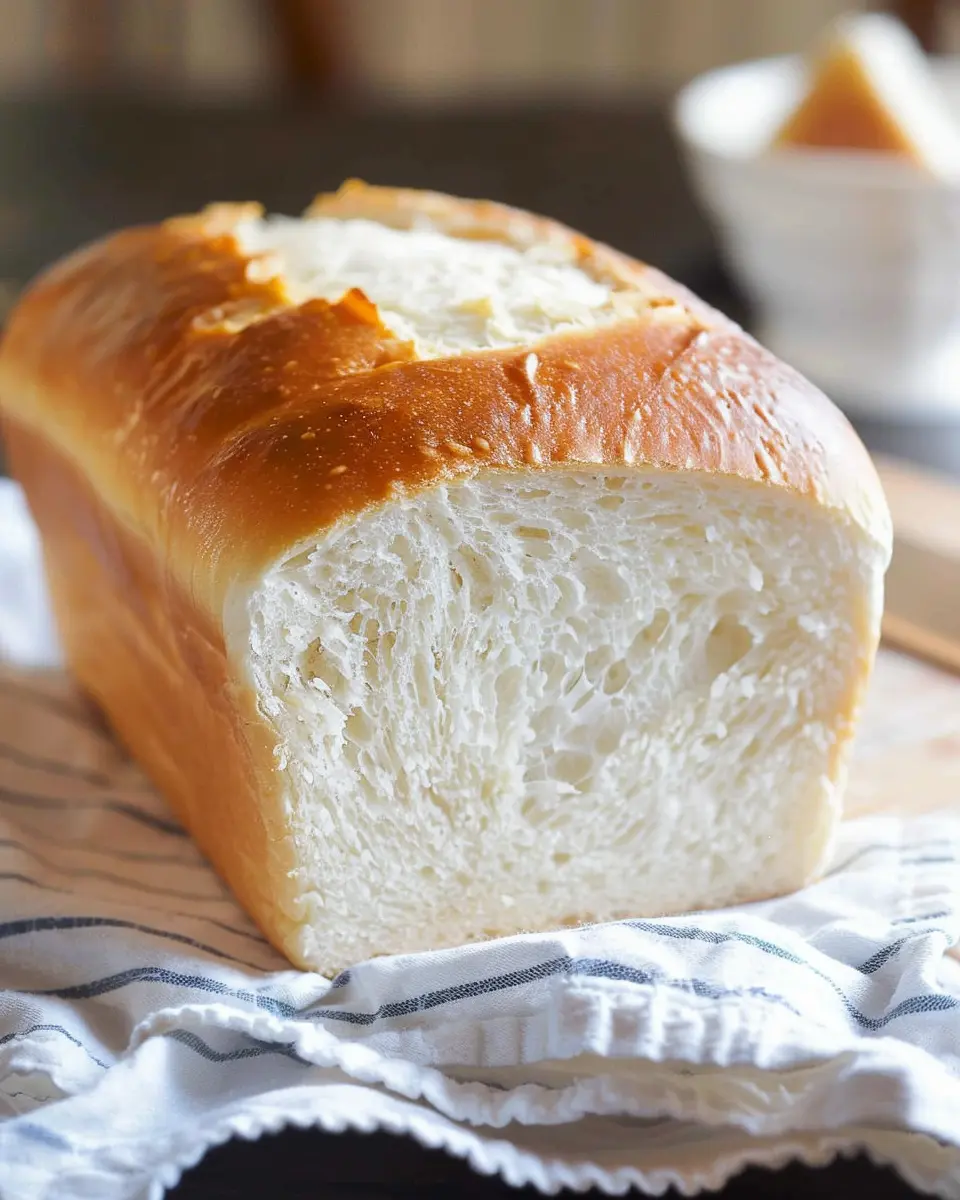
Variations on Amish White Bread
Amish white bread is beloved for its simplicity and heartiness, but there’s no need to stop at the traditional recipe! Let’s explore some delicious variations that can elevate your baking game.
Adding Herbs and Spices for Extra Flavor
One fantastic way to personalize your Amish white bread is by incorporating herbs and spices right into the dough. Imagine the heartwarming scent of rosemary or thyme wafting through your kitchen as it bakes! Adding about one tablespoon of dried herbs, such as basil or oregano, can provide that extra kick. For a sweet twist, consider a dash of cinnamon or nutmeg; this subtle sweetness pairs beautifully with honey butter.
You might also experiment with garlic powder or onion powder for a more savory flavor profile. Just think about it—aromatic, infused bread that becomes the star of your meals. Who could resist a slice?
Incorporating Whole Grains for a Healthier Twist
If you’re looking to make your Amish white bread a bit heartier, try swapping out some of the all-purpose flour for whole grain alternatives. Whole wheat flour offers additional nutrients and fiber, making your bread a more satisfying option. You can start with a 50/50 mix of all-purpose and whole wheat flour; this allows you to maintain that soft texture while adding the wholesome goodness of whole grains.
Not only does this add depth of flavor, but it’s also a great way to sneak in extra nutrition for those on-the-go weekday lunches. If you’re curious about the health aspects of whole grains, check out resources from Harvard Health.
Embrace these variations and let your creativity in the kitchen shine! 🌟 Whether it’s infused with fragrant herbs or packed with whole grains, you’ll find that Amish white bread can be as versatile as you want it to be. Happy baking!
Cooking Tips and Notes for Amish White Bread
Ensuring the Perfect Rise
A key factor in achieving a beautifully fluffy Amish white bread is to create the right environment for yeast to thrive. Warmth is essential—try placing your dough in a slightly warmed oven (around 100°F) or covering it with a clean towel to retain heat. For added moisture, a bowl of hot water nearby can help create steam that encourages the rise. Remember, dough should double in size for optimal results!
Common Mistakes to Avoid
Even the most seasoned bakers can slip up, so here are some common pitfalls to steer clear of:
- Using Cold Ingredients: Ensure your milk and butter are at room temperature to help the yeast activate effectively.
- Over-kneading: While kneading is crucial, overdoing it can lead to tough bread. Aim for about 8-10 minutes until the dough is smooth and elastic.
- Skipping the Rest: Allow your Amish white bread to rest after shaping. This extra time helps improve texture and flavors.
For further insights, consider checking out resources on bread baking from King Arthur Baking or America’s Test Kitchen. Happy baking!
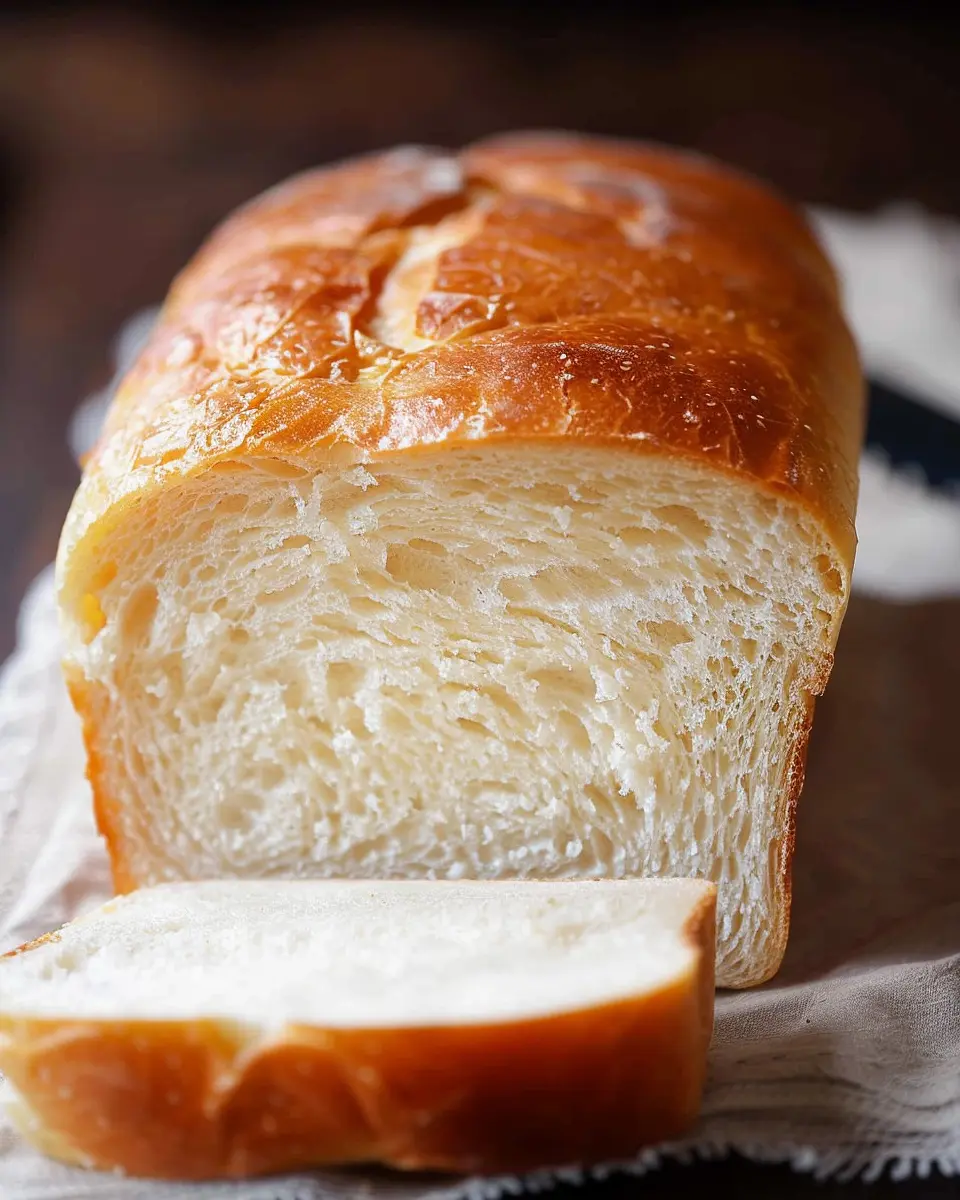
Serving Suggestions for Amish White Bread
Breakfast Ideas with Amish White Bread
Start your day off right by toasting a slice of Amish white bread. It’s perfect for spreading a layer of creamy peanut butter or almond butter topped with bananas or honey for a nutritious breakfast. If you’re feeling indulgent, why not try a French toast twist? Dip slices in a mixture of eggs, milk, and cinnamon, then pan-fry to golden perfection. Serve with fresh berries and a drizzle of maple syrup!
Perfect Pairings for Sandwiches
When it comes to lunchtime, Amish white bread shines in creating sandwiches that are as delicious as they are satisfying. Think about a classic turkey bacon and avocado sandwich for a hearty option. The fluffy texture of the bread complements the crunch of fresh veggies beautifully. Alternatively, for a quick fix, whip up a chicken ham and cheese toasted sandwich—grate some tasty cheese, layer on the chicken ham, and pop it in the oven for a melty delight.
Ready to dive into some other tips? Check out The Kitchn’s guide to sandwiches for more inspiration!
Time Breakdown for Amish White Bread
Preparation Time
Making Amish white bread is a delightful experience that starts with about 15 to 20 minutes of preparation. You’ll mix the ingredients, including warm water, yeast, and flour, creating that beautiful dough that will become the star of your kitchen.
Rising Time
The real magic happens during the rising phase, which typically takes about 1 hour. This is when the yeast works its wonders, allowing your dough to expand and develop a lovely texture. Be sure to place it in a warm, draft-free spot for optimal results—maybe near your preheating oven!
Baking Time
Once your dough has risen, it’s time to shape it and pop it in the oven. Baking the Amish white bread usually takes around 30 to 35 minutes, filling your home with an irresistible aroma that will have you eagerly waiting.
Total Time
In total, you’re looking at approximately 2 hours from start to finish. This includes prep, rising, and baking time. Trust us, the wait will be worth it as you enjoy this delicious bread warm out of the oven!
For an in-depth recipe and tips, check out The Spruce Eats. Enjoy your baking adventure!
Nutritional Facts for Amish White Bread
When diving into the delightful world of Amish White Bread, it’s essential to understand its nutritional profile. This classic recipe makes for a delicious addition to any meal, but how does it fit into your daily intake? Let’s break it down!
Calories
A single slice of homemade Amish White Bread typically contains around 80-100 calories. This makes it a relatively moderate choice for your breakfast or snack spread.
Carbohydrates
In terms of carbohydrates, you can expect about 15-20 grams per slice. This provides a quick source of energy, which can be especially useful if you’re kickstarting your day or need a pick-me-up post-workout.
Fat
When it comes to fat content, Amish White Bread usually has 1-2 grams per slice, making it a low-fat option. Most of the fat comes from the butter or oil used in the recipe, so feel free to tweak that to suit your preference!
Protein
Lastly, the protein content hovers around 2-3 grams per slice. While not a high-protein option, pairing it with sources like turkey bacon or chicken ham can help balance your meal and keep you satisfied.
With all these factors in mind, enjoying your Amish White Bread can be a deliciously wholesome choice. Want to dive deeper into its health benefits? Check out the American Heart Association for insights on incorporating bread into a balanced diet!
FAQs about Amish White Bread
How can I ensure my bread rises properly?
To achieve that perfect rise in your Amish white bread, yeast activation is key. Here are some tips to help you out:
- Fresh Yeast: Always use fresh yeast. If your yeast is expired, it won’t rise properly.
- Warm Environment: Yeast thrives in a warm environment. A good trick is to place your dough in an oven that’s turned off but has the light on, creating a cozy spot to rise.
- Temperature Check: Make sure your water temperature when mixing is around 110°F. Too hot, and you could kill the yeast; too cold, and it won’t activate.
If you’re curious about the science behind baking, sites like King Arthur Baking offer excellent insights into the role of yeast in bread-making.
Can I freeze Amish White Bread?
Absolutely! Freezing is a great way to extend the shelf life of your Amish white bread. Here’s how:
- Cool Completely: Ensure the bread cools completely after baking to prevent condensation.
- Wrap Well: Wrap it tightly in plastic wrap or aluminum foil, then place it in a freezer bag.
- Thawing: When you’re ready to enjoy, simply let it thaw at room temperature or warm it gently in the oven for that fresh-baked feel.
What are the best ways to store homemade bread?
Storing your Amish white bread properly can help maintain its freshness. Here are some best practices:
- Room Temperature: If you plan to eat it within a few days, store it in a bread box or tightly wrapped to keep moisture in.
- Refrigeration: While refrigerating can help prevent mold, it can also dry out your bread. Only do this if it’s particularly humid.
- Long-term Storage: For longer storage, slicing before freezing makes it easy to take out just what you need.
These tips will help ensure your bread remains delightful for as long as possible! For more detailed storage advice, check out Breadtopia’s Storage Guide.
Conclusion on Amish White Bread
Wrapping it up with a recipe love note
There’s something undeniably comforting about making Amish white bread. As you knead the dough, you’re not just preparing a meal; you’re creating a slice of tradition that can be shared with family and friends. This recipe is straightforward and rewarding, perfect for both novice bakers and seasoned pros alike. Once you take that first warm slice, you’ll understand why this bread has been cherished for generations.
If you have loved this recipe, check out more on Sourdough Bread Basics. It’s all about the joy of baking and sharing good food! So roll up those sleeves and embrace the warmth of home baking with this Amish white bread.
Your journey into the delicious world of bread-making starts now! Happy baking!
PrintAmish White Bread: The Best Homemade Delight for Every Kitchen

Discover the secret to making the best Amish White Bread from the comfort of your kitchen.
- Prep Time: 15 minutes
- Cook Time: 30 minutes
- Total Time: 2 hours
- Yield: 2 loaves 1x
- Category: Bread
- Method: Baking
- Cuisine: American
- Diet: Vegetarian
Ingredients
- 4 cups all-purpose flour
- 1.5 cups warm water
- 1/4 cup sugar
- 2.5 teaspoons active dry yeast
- 1 teaspoon salt
- 1/4 cup vegetable oil
Instructions
- In a large bowl, dissolve sugar in warm water and add yeast. Let it sit until frothy.
- Add salt and oil to the mixture, followed by flour, one cup at a time.
- Knead the dough for about 10 minutes until smooth.
- Place in a greased bowl and cover. Let it rise until doubled.
- Punch down the dough and divide it into two loaves.
- Place loaves in greased pans and let them rise again.
- Bake in a preheated oven at 350°F for 25-30 minutes.
- Cool on wire racks before slicing.
Notes
- For a sweeter bread, adjust the sugar to taste.
- Feel free to add herbs or spices for flavor variations.
Nutrition
- Serving Size: 1 slice
- Calories: 120
- Sugar: 2g
- Sodium: 120mg
- Fat: 3g
- Saturated Fat: 0.5g
- Unsaturated Fat: 2.5g
- Trans Fat: 0g
- Carbohydrates: 22g
- Fiber: 1g
- Protein: 3g
- Cholesterol: 0mg
Keywords: Amish White Bread, homemade bread, easy bread recipe