




Introduction to Mango Sticky Rice
Why is Mango Sticky Rice a beloved dessert?
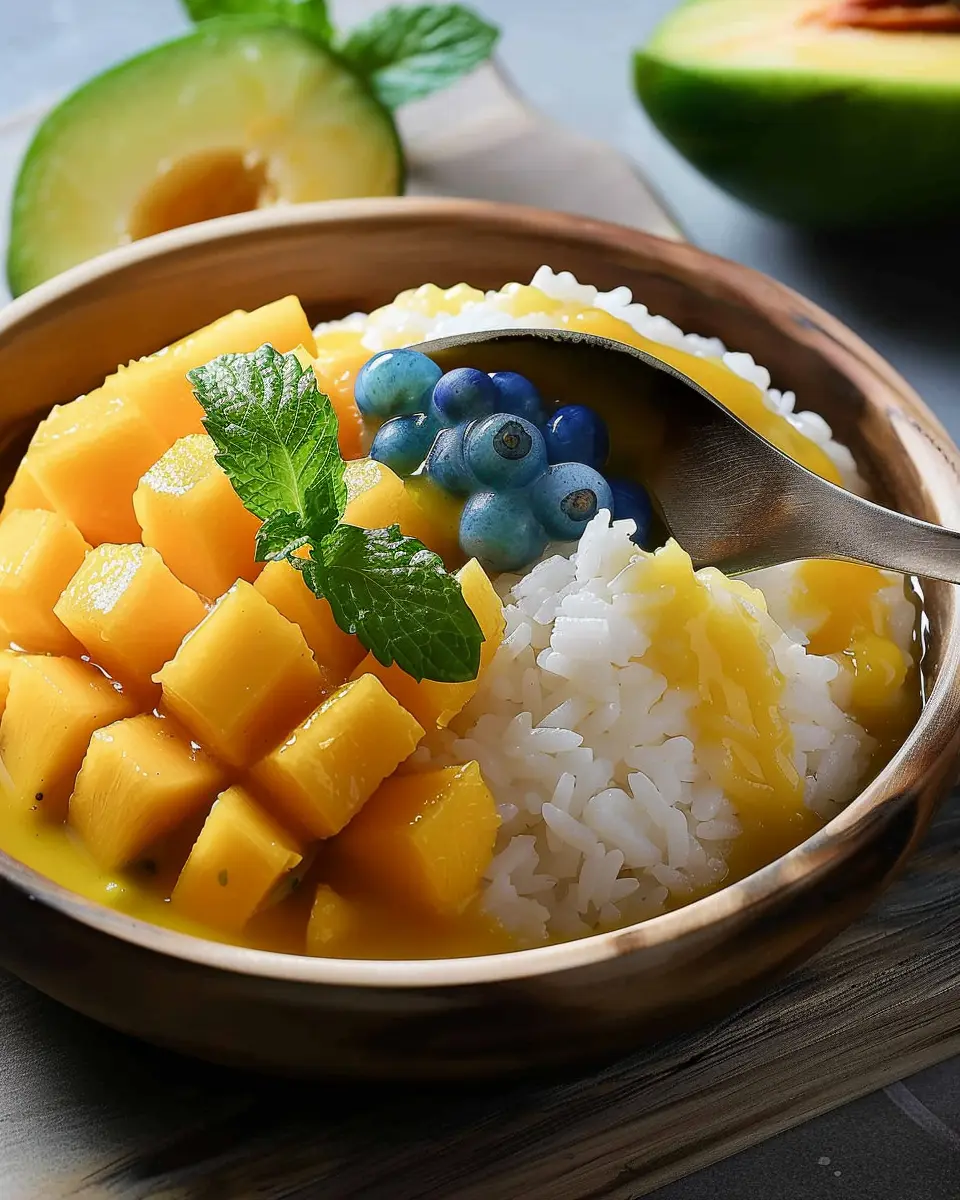
Mango sticky rice, or khao niew mamuang as it’s known in Thailand, is a culinary classic that has captured the hearts—and taste buds—of many. One bite of this rich, creamy dessert pairs the luscious sweetness of ripe mangoes with the soft, chewy texture of sticky rice, gently sweetened with coconut milk. The contrast of flavors and textures makes it not just a dish to eat, but an experience to savor.
What elevates mango sticky rice into the realm of beloved desserts is its versatility; it can be enjoyed as a comforting treat on a quiet evening or served at special occasions and festivals. Plus, it’s naturally gluten-free, making it an inclusive option for gatherings. The dish is a testament to how simple ingredients can create something so delectably wonderful.
The story behind Mango Sticky Rice and its cultural significance
The history of mango sticky rice dates back centuries in Thailand and is deeply intertwined with the culture’s love for seasonal fruits. Mangoes are at their sweetest during the hot season, and locals created this dessert to celebrate the harvest. In fact, during the Thai New Year, or Songkran festival, mango sticky rice is a traditional offering, symbolizing abundance and the richness of life.
As you delve into the world of this delightful dessert, you can’t help but appreciate the cultural nuances. Many regions in Thailand have their own variations, using different types of mangoes or adding toppings like mung beans or sesame seeds. Each region adds its local flair, showcasing the diversity and richness of Thai culinary traditions.
If you’d like to dive deeper into the cultural significance of mangoes in Thai gastronomy, I recommend checking out resources from organizations such as the Royal Thai Government for an authentic glance at their food heritage.
So, whether you’re planning to whip up this delicacy for a dinner party or simply want to treat yourself, understanding its roots adds a special touch to your culinary journey. This dessert isn’t just a dish—it’s a sweet history wrapped in rice and mango, waiting to be enjoyed.
Ingredients for Mango Sticky Rice
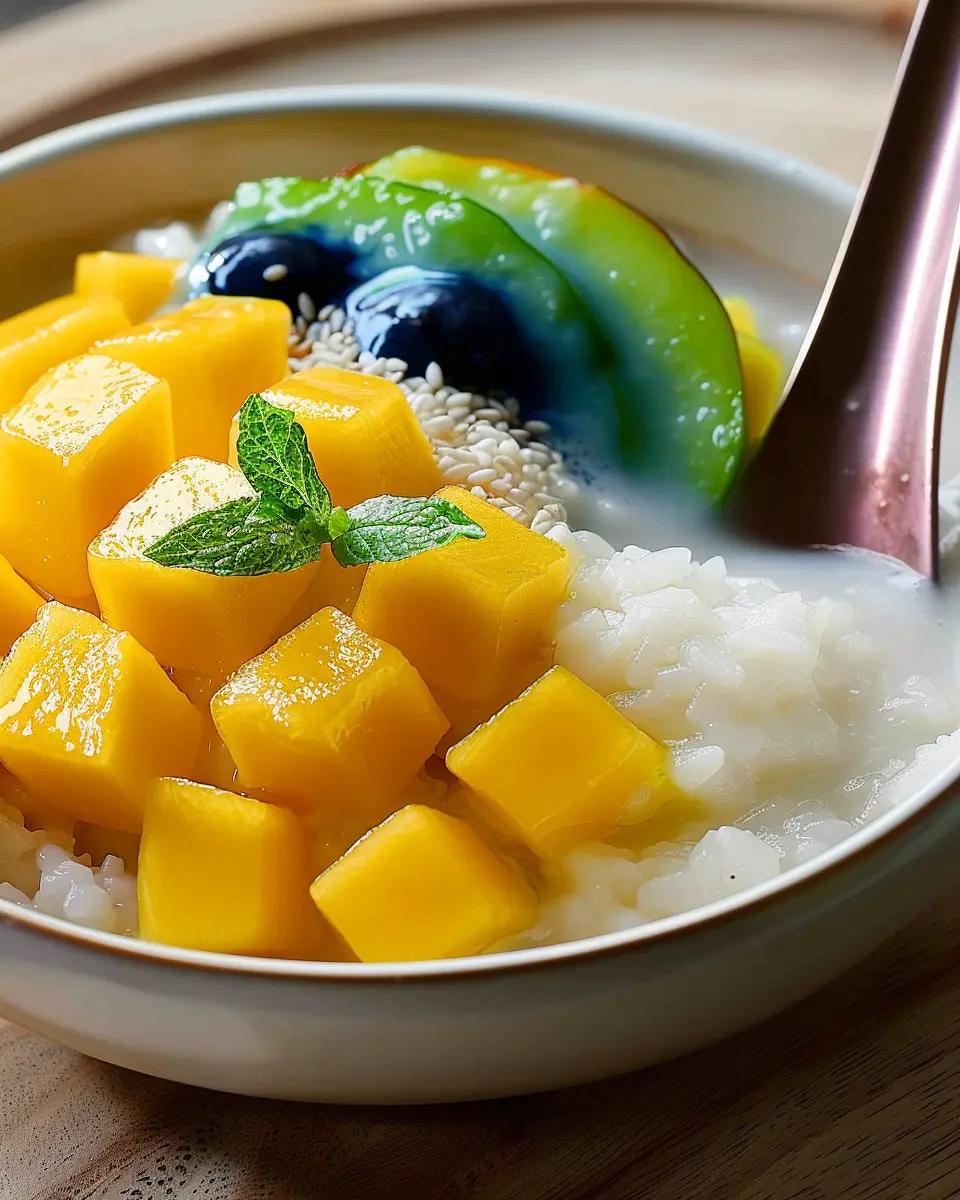
Making mango sticky rice is blissfully simple, and you might already have some of the ingredients in your kitchen! Let’s dive into what you’ll need.
Essential ingredients
To create that luscious, creamy texture and sweet flavor that mango sticky rice is famous for, gather these core ingredients:
- Glutinous rice: Also known as sticky rice, it’s key for achieving that delightful chewiness.
- Coconut milk: Adds richness and a tropical essence to the dish. A can of full-fat coconut milk works beautifully!
- Sugar: Granulated sugar is typically used to sweeten the coconut milk.
- Salt: Just a pinch; it enhances the sweetness and balances the flavors.
- Ripe mangoes: The star of the dish! Look for varieties like Ataulfo or Haden for optimal sweetness.
Optional ingredients for a creative twist
Feeling adventurous? Here are a few optional ingredients to elevate your mango sticky rice:
- Sesame seeds: Toasted for a nutty flavor and crunchy texture.
- Coconut flakes: Adds extra coconut goodness and visual appeal.
- Mint leaves: For a refreshing garnish that brightens the dish.
- Mango puree: For additional mango flavor, drizzle it over your finished dish!
By mixing and matching these ingredients, you can create a variation that suits your taste perfectly. Try pairing this dessert with a dollop of coconut yogurt for an extra creamy bite. For more expert tips on making the most of tropical flavors, check out Serious Eats’ guide. Enjoy experimenting!
Preparing Mango Sticky Rice
If you’re craving a delightful treat that blends creamy, sweet, and slightly salty flavors, look no further than mango sticky rice. This traditional Thai dessert is not only delicious but also surprisingly easy to prepare. Let’s dive into the steps that will help you create this satisfying dish in no time.
Rinse and Soak the Glutinous Rice
The foundation of any great mango sticky rice is, of course, the rice. Start by measuring out 1 cup of glutinous rice (also known as sticky rice). This type of rice has a unique, chewy texture that’s essential for the dish.
- Rinse the rice under cold water in a fine-mesh strainer to remove excess starch. This will prevent the rice from becoming too gummy.
- Once rinsed, place it in a bowl and cover it with water. Allow it to soak for at least 4 hours, or ideally overnight. Soaking enhances the texture, making it perfectly sticky and chewy. For even better results, consider following this guide on soaking times from Serious Eats.
Prepare the Steaming Setup
After the rice has soaked, it’s time to prepare your steaming setup. You can use a bamboo steamer or a metal steamer basket. If you don’t have either, a regular pot will work just fine with a heatproof bowl. Here’s how to get set up:
- Fill a pot with about 2 inches of water and bring it to a simmer.
- If using a bamboo steamer, line the bottom with banana leaves or a clean kitchen towel to prevent the rice from falling through.
- Place the soaked rice into the steamer and cover it with a lid. Steaming helps maintain the rice’s distinct texture while cooking it evenly.
Steam the Rice to Perfection
Now comes the exciting part—steaming your rice.
- Allow the rice to steam for about 20-25 minutes, or until it is translucent and tender. You can check the rice halfway through and give it a gentle stir to ensure even cooking.
- Be cautious and watch the water level in the pot; you may need to add more water to keep it from running dry.
That’s right! Steaming retains moister than boiling, helping those lovely sticky qualities develop beautifully.
Make the Coconut Sauce
No mango sticky rice is complete without a rich, creamy coconut sauce. Here’s how to whip it up:
- In a saucepan, combine one cup of coconut milk with 1/4 cup of sugar and a pinch of salt.
- Heat over medium heat, stirring until the sugar dissolves.
- Set aside about 1/4 cup of this mixture to drizzle on top when serving. The remaining sauce will be combined with the rice!
This sauce brings a delightful creaminess that balances perfectly with the sweetness of the mango.
Combine the Rice and the Sauce
Once your rice is ready, it’s time for the fun part—mixing in that luscious coconut sauce!
- Transfer the hot, steamed rice into a large bowl and pour the remaining coconut sauce over it.
- Gently fold the rice to ensure each grain is coated without breaking it apart. Let it sit for about 10 minutes to absorb the flavors.
This is a great opportunity to make sure everything’s coming together just right. Are you salivating yet?
Serve with Fresh Mangoes
Now that you have your mango sticky rice ready, it’s time to serve!
- Slice two ripe, juicy mangoes thinly.
- Plate the sticky rice, drizzle your reserved coconut sauce on top, and artfully arrange the mango slices beside it.
This presentation not only looks stunning but emphasizes the contrast between the richness of the coconut and the vibrant flavor of the mango. For additional tips on how to properly slice mangoes, check out this expert guide on The Kitchn.
In no time, you’ll have a dish that’s as beautiful as it is delicious! Enjoy your homemade mango sticky rice, and brace yourself for the compliments that are sure to follow.
Variations on Mango Sticky Rice
Mango sticky rice is a beloved Asian dessert that brings a sweet taste of tropical paradise to your plate. While the traditional version is delightful, don’t be afraid to experiment with variations that make this dish your own!
Colorful Coconut Sticky Rice
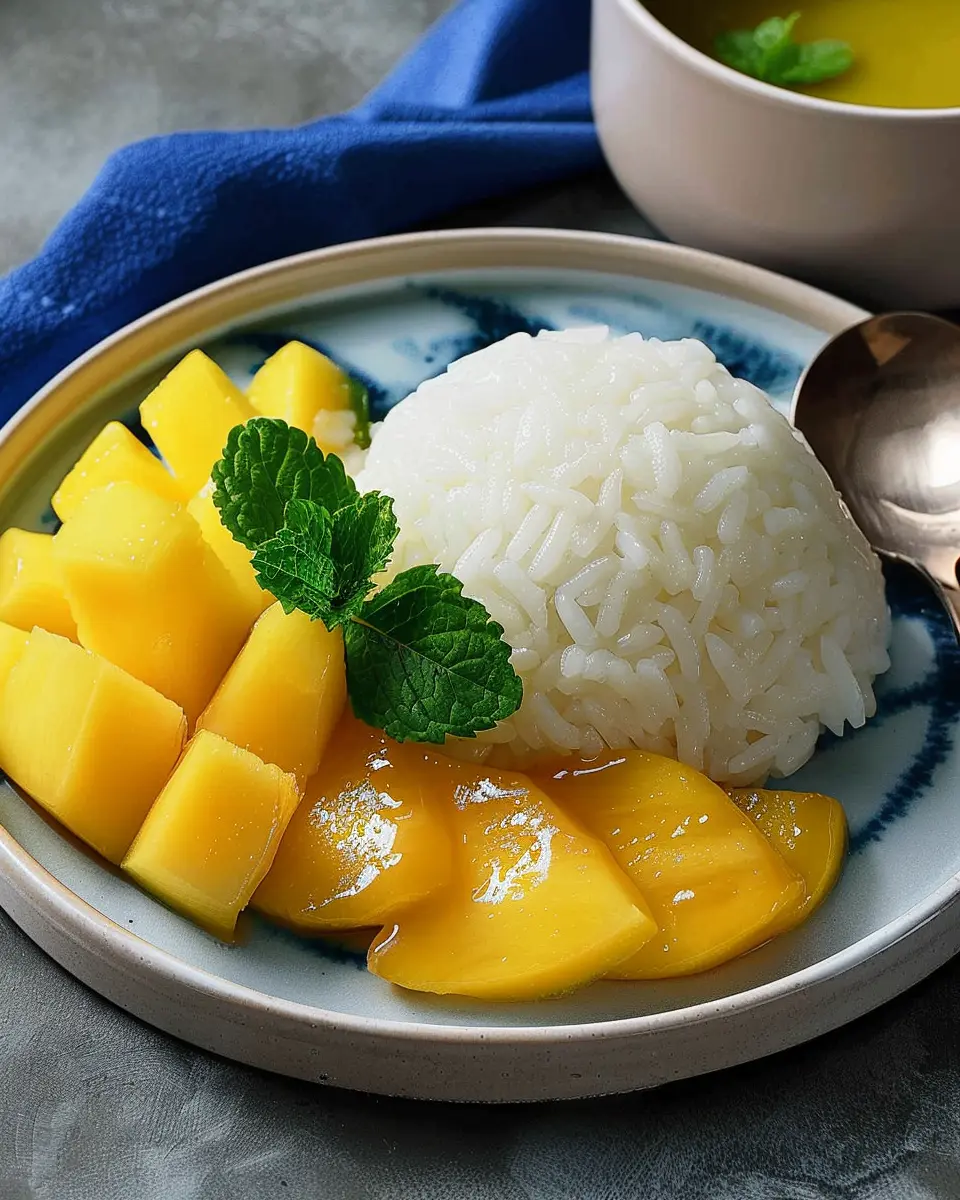
Why not brighten up your mango sticky rice with some color? You can infuse your sticky rice with natural colorants. Try using pandan juice, which gives a vibrant green color and a unique flavor, or purple sweet potato for a stunning violet hue. Just blend the cooked sticky rice with these ingredients, and you’ll have a feast for the eyes as well as the palate. It’s a great way to impress friends at a gathering or potluck, and they’ll never guess how easy it was!
Vegan Alternatives for the Sauce
If you’re looking for a vegan twist, there are plenty of alternatives for the traditional coconut sauce. Instead of sweetened condensed milk, consider using coconut cream with a sprinkle of maple syrup or agave nectar. This not only makes the dish plant-based but also gives it a lovely, rich flavor that pairs beautifully with the mango slices. Check out this article on vegan alternatives for more ideas.
Unique Toppings and Garnishes
Don’t miss the chance to elevate your mango sticky rice with exciting toppings! While toasted sesame seeds or crushed peanuts are classic choices, you might try using fresh mint leaves or even a drizzle of passion fruit syrup for an exotic twist. Chopped dried fruits like mango or coconut could add a delightful chewiness, making your dessert even more interesting.
With these variations, you can turn a classic recipe into something new and exciting every time! What creative ideas will you try first?
Cooking Tips and Notes for Mango Sticky Rice
Common Mistakes to Avoid
When preparing mango sticky rice, it’s easy to make a few blunders that can affect the final dish:
- Rinsing the rice: Don’t skip this step! Rinsing helps remove excess starch, preventing the rice from becoming overly gummy.
- Overcooking the rice: Aim for al dente! The rice should be tender yet slightly chewy. Keep an eye on cooking times and adjust as necessary.
- Missed balance in sweetness: Achieving the right sweetness is crucial. Taste the coconut sauce before adding it to the rice to find that perfect blend.
Recommendations for the Best Rice Brands
For a truly authentic experience, select high-quality sticky rice. Some popular brands include:
- Thai Glutinous Rice: Often found in Asian markets, it offers excellent texture.
- Lundberg Family Farms Organic Sticky Rice: A great option available in many grocery stores, providing a nice flavor while being organic.
These choices will set you on the right path to making delicious mango sticky rice. For additional information on sticky rice types, visit Serious Eats. Happy cooking!
Serving suggestions for Mango Sticky Rice
Pairing with other Asian desserts
Mango sticky rice is a delightful dish on its own, but it can shine even brighter when served alongside other Asian desserts. Consider pairing it with coconut pudding or mango mousse for a refreshing combo that brings out the tropical flavors. If you’re feeling adventurous, try presenting it alongside Thai coconut ice cream—the creaminess perfectly complements the sticky rice.
Ideal serving size and presentation tips
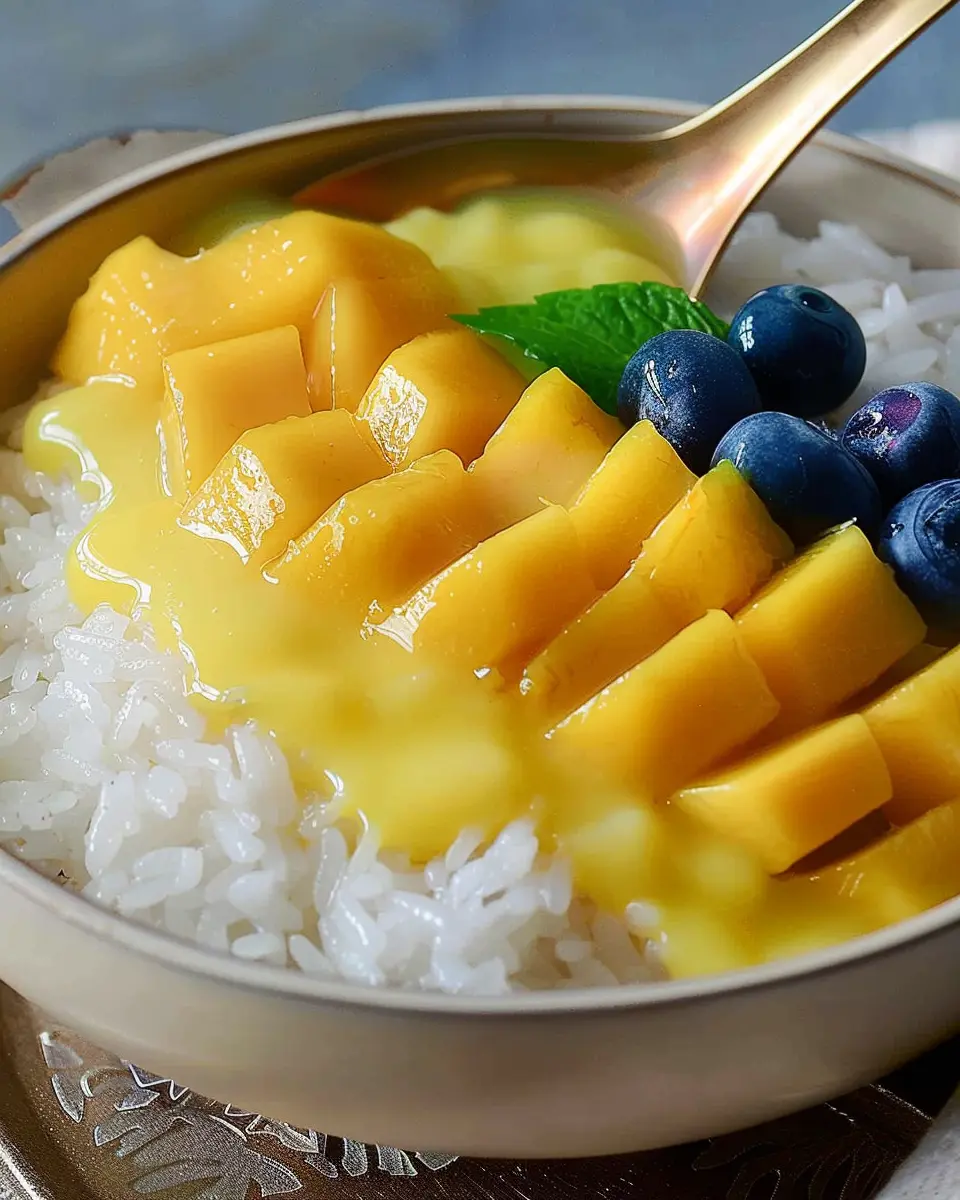
When serving mango sticky rice, aim for about one cup per person. This portion is usually just right, allowing your guests to savor each bite without feeling overwhelmed. To elevate the presentation, serve it in small bowls or on banana leaves for an authentic touch. Drizzle a bit of extra coconut sauce on top and garnish with sesame seeds or mint leaves for a pop of color.
For more inspiration, you can check out Serious Eats or Epicurious for other delightful dessert ideas!
Time details for Mango Sticky Rice
Preparation time
Making mango sticky rice is a delightful journey that starts with a little preparation. You’ll want to set aside about 30 minutes to gather and prep your ingredients. This includes peeling and slicing ripe mangoes, soaking your sticky rice, and measuring out your coconut milk and sugar.
Cooking time
Once you’re prepped, the cooking process is fairly quick. The sticky rice requires about 25 to 30 minutes to steam to that perfect texture that we all crave. In the meantime, you can prepare the coconut sauce for drizzling with minimal effort.
Total time
All in all, from start to finish, expect to invest around 1 hour for this delicious mango sticky rice. It’s a small time commitment for such a delectable treat that’s sure to impress your friends and family! If you’re curious about perfect mango ripeness for this dish, check out this guide from The Kitchn.
Nutritional information for Mango Sticky Rice
If you’ve never tried mango sticky rice, you’re in for a delightful treat! This popular Thai dessert not only satisfies your sweet tooth but also has some nutritional perks.
Calories
A typical serving of mango sticky rice contains around 300-400 calories. This may vary based on portion sizes and preparation methods, but it’s a relatively rich dessert, perfect as an occasional indulgence rather than a daily staple.
Carbohydrates and sugar content
The dish primarily comprises sticky rice and ripe mango, making it high in carbohydrates. You can expect about 60-75 grams of carbohydrates per serving, with a sugar content around 25-30 grams. The natural sugars from the mango contribute to its appealing sweetness.
Dietary fiber and protein
While mango sticky rice isn’t a significant source of protein, it still offers some dietary fiber, mainly from the mango. You might find about 2-3 grams of fiber per serving, which is helpful for digestion. Pairing it with a sprinkle of coconut gives it a satisfying finish while enhancing the flavor. Interested in similar tasty yet nutritious desserts? Explore more options here.
Overall, enjoy mango sticky rice as a delightful treat that brings both flavor and a bit of nutrition to your dessert table!
FAQs about Mango Sticky Rice
Can I make mango sticky rice ahead of time?
Absolutely! You can prepare mango sticky rice ahead of time, making it perfect for parties or busy weeknights. Cook the sticky rice and let it cool to room temperature. You can store it in an airtight container in the fridge for up to two days. When you’re ready to enjoy it, just steam the rice for a few minutes to warm it up. Don’t forget to slice your mango fresh right before serving for the best texture and taste!
What types of mango work best for this recipe?
For the best mango sticky rice, you should look for ripe, sweet varieties. The most popular choices include:
- Nam Dok Mai: Known for its sweetness and smooth texture, this is the traditional Thai mango used in this dish.
- Carabao (or Philippine mango): Another sweet choice with a luscious flavor.
- Ataulfo (or Honey mango): These are creamy and sweet, perfect for complementing the sticky rice.
Check out this mango selection guide for more insights on choosing the perfect mango!
How can I make my mango sticky rice more flavorful?
Elevating your mango sticky rice is easier than you might think. Here are some suggestions:
- Coconut Enhancements: Add a pinch of salt or a splash of vanilla to the coconut milk for an extra layer of flavor.
- Toppings: Consider garnishing with toasted sesame seeds, roasted peanuts, or even a drizzle of honey for added crunch and sweetness.
- Fresh Herbs: A sprinkle of fresh mint or cilantro can elevate the dish from traditional to gourmet.
Not only do these enhancements offer delightful textures and bursts of flavor, but they also make your dish visually stunning. Enjoy crafting your own twist on this classic treat!
Conclusion on Mango Sticky Rice
Recap of why Mango Sticky Rice is a must-try dessert
In the world of desserts, mango sticky rice stands out as a delightful fusion of sweet and savory flavors. This unique dish combines creamy coconut milk-soaked rice with the refreshing taste of ripe mangoes, making it a perfect treat for warm weather or special occasions. Whether you’re a fan of traditional Thai cuisine or just in search of something new, you’ll love how this dessert satisfyingly balances richness and freshness.
Embracing Homemade Indulgence
If you’ve been hesitant to try making mango sticky rice at home, now’s your chance! Crafting this dessert allows you to tap into your culinary creativity while enjoying a delicious outcome. Plus, there’s nothing quite like the joy of sharing homemade treats with friends and family. So gather your ingredients, roll up your sleeves, and explore the bliss of creating something extraordinary right in your kitchen. Discover tips and tricks for making it perfectly by checking out these resources on Thai cuisine or cooking techniques. Happy cooking!
PrintMango Sticky Rice: An Easy Indulgence to Elevate Your Dessert Game
Mango Sticky Rice is a delightful dessert that blends sweet mango with creamy coconut rice, creating an irresistible treat.
- Prep Time: 15 minutes
- Cook Time: 25 minutes
- Total Time: 4 hours 40 minutes
- Yield: 4 servings 1x
- Category: Dessert
- Method: Steaming
- Cuisine: Thai
- Diet: Vegetarian
Ingredients
- 1 cup glutinous rice
- 1 cup coconut milk
- 1/2 cup sugar
- 1/4 teaspoon salt
- 2 ripe mangoes
- 1 tablespoon sesame seeds (optional)
Instructions
- Rinse the glutinous rice under cold water until the water runs clear.
- Soak the rice in water for at least 4 hours or overnight.
- Drain the rice and steam it for about 20-25 minutes until cooked.
- In a saucepan, heat the coconut milk with sugar and salt until dissolved.
- Mix half of the coconut milk with the steamed rice.
- Slice the mangoes and serve on top of the rice with the remaining coconut sauce drizzled over.
- Add sesame seeds if desired.
Notes
- For a richer flavor, you can add a pinch of pandan leaf to the coconut milk while heating.
- Make sure to use ripe mangoes for the best flavor.
Nutrition
- Serving Size: 1 cup
- Calories: 300
- Sugar: 20g
- Sodium: 10mg
- Fat: 5g
- Saturated Fat: 4g
- Unsaturated Fat: 1g
- Trans Fat: 0g
- Carbohydrates: 55g
- Fiber: 2g
- Protein: 4g
- Cholesterol: 0mg
Keywords: Mango Sticky Rice, dessert, Thai dessert, easy dessert