





Introduction to Artisan Pizza Dough
Why Everyone Loves Homemade Pizza
Let’s face it: there’s something incredibly satisfying about crafting your own pizza from scratch. Whether it’s for a cozy Friday night in or a gathering with friends, homemade pizza brings people together in a way that store-bought options simply can’t match. Have you ever thought about why that is? It goes beyond just the taste; it’s the entire experience of creating something delicious from fresh ingredients. According to recent surveys, over 70% of pizza lovers appreciate the ability to customize their toppings and flavors.
You get to choose the freshest ingredients, adjust the seasoning to your liking, and share delicious creations with those you care about. Plus, with the rising popularity of artisan pizza dough, making your own pizza can elevate your culinary skills while unleashing your inner chef.
The Beauty of Artisan Pizza Dough
Now, let’s dive into what makes artisan pizza dough so special. The beauty lies in its simplicity and versatility. Typically made from just four ingredients – flour, water, salt, and yeast – artisan dough showcases quality over quantity. When you use high-quality flour and allow the dough to rise slowly, you get a crust that’s both crispy on the outside and chewy on the inside.
This method not only enhances the flavor but also nurtures a wonderful texture that’s hard to replicate. It’s like the difference between a quick store-bought dough and a carefully crafted work of culinary art. As the dough rises, the yeast develops flavors and air bubbles, leading to that irresistible crust we all love.
By incorporating a few artisan techniques—like hand-kneading and proper fermentation—you can unlock that professional pizza quality right in your own kitchen.
So, are you ready to take your pizza game to the next level? Making your own artisan pizza dough is approachable, fun, and yields delicious results. If you’re eager to learn more about perfecting your personal pie, check out this guide on tips for pizza making. Dive in!
Ingredients for Artisan Pizza Dough
Essential Ingredients Overview
Creating a delicious artisan pizza dough starts with a few essential ingredients. Here’s what you’ll need:
- All-Purpose Flour: This is the backbone of your dough. Aim for high-protein flour for extra chewiness.
- Water: Use room temperature water for optimal yeast activation. It’s all about hydration!
- Yeast: Whether you choose active dry or instant, yeast is crucial for that delightful rise.
- Salt: Enhances flavor and strengthens gluten structure—don’t skip it!
- Olive Oil: A splash of this brings richness to your dough, enhancing the texture.
Ingredient Quality Matters
Quality truly makes a difference. Opt for organic flour if you can; it’s not just a trend but a way to elevate your baking experience. And remember, fresh yeast works wonders! According to a study by the American Baking Society, using quality ingredients can significantly impact the taste and texture of your dough. So, next time you’re shopping, consider those high-quality options; your taste buds will thank you!
For more about choosing quality ingredients, check out resources like the Food Network or Serious Eats.
Preparing Artisan Pizza Dough
Creating artisan pizza dough at home is a satisfying experience that yields delicious results. Whether you’re planning a cozy date night or weekend gathering with friends, mastering homemade dough will elevate your pizza game. Let’s break down the process into easy steps that will have you impressing everyone with your pizza skills!
Combine Flour and Water
To create the perfect texture for your artisan pizza dough, begin with high-quality ingredients. Using all-purpose or bread flour will yield a nice chewiness, while water is essential for hydration. In a large mixing bowl, combine:
- 4 cups of flour (preferably bread flour)
- 1 ¾ cups of warm water (about 110°F or 43°C)
Stir gently with a wooden spoon or dough whisk until the mixture forms a shaggy mass. This step is crucial as it hydrates the flour, setting the stage for gluten development later on. The flour should absorb most of the water, creating a somewhat sticky texture. Don’t worry if it looks a bit shaggy at this point; that’s perfectly normal!
Incorporate Yeast and Salt
Next, it’s time to introduce the key leavening agents: yeast and salt. For the best results, use active dry yeast or instant yeast. Here’s how to properly mix it in:
- Add 1 packet (2 ¼ teaspoons) of yeast, ensuring it’s distributed evenly throughout the dough.
- Sprinkle in 1 tablespoon of salt, which not only adds flavor but also strengthens the dough’s structure.
Now, mix everything together for about a minute until the salt and yeast are well incorporated. If you’re unsure about the yeast activation, check out expert guidance on the science of yeast in dough for additional clarity.
Fold and Develop Gluten
Once you have a cohesive dough, it’s time to engage in some hands-on kneading. Instead of traditional kneading, try this folding technique which is easier for beginners:
- Allow the dough to rest for 10-15 minutes; this step is called autolyse and helps begin gluten formation.
- After the rest, with wet hands, grab the edge of the dough and fold it over itself. Rotate the bowl a quarter turn and fold again.
- Repeat this process for about 5-6 rounds, letting the dough rest for a minute in between folds.
This gentle processing helps build gluten without overworking the dough, keeping it airy and light. Aim for a smoother texture, and don’t hesitate to flour your hands a bit to prevent sticking.
Shape and Rest the Dough
Once you achieve that smooth texture, it’s time to shape your dough.
- Lightly flour your work surface and turn the dough out.
- Divide the dough into two equal portions for large pizzas or four for smaller versions.
- Shape each portion into a tight ball by tucking the edges underneath.
Place the dough balls on a lightly floured surface or in a floured bowl. Cover them with a damp cloth or plastic wrap to prevent drying out. Let them rest for at least 1-2 hours at room temperature until they’ve doubled in size. If you have time, allowing the dough to cold ferment in the fridge for 24 hours will enhance the flavor profile.
Prepare for Baking
When you’re ready to bake, preheat your oven to the highest setting, usually around 475-500°F (245-260°C). While your oven is heating, prepare your toppings:
- Consider a mix of fresh ingredients like tomato sauce, cheese, and your favorite proteins like Turkey Bacon or Chicken Ham.
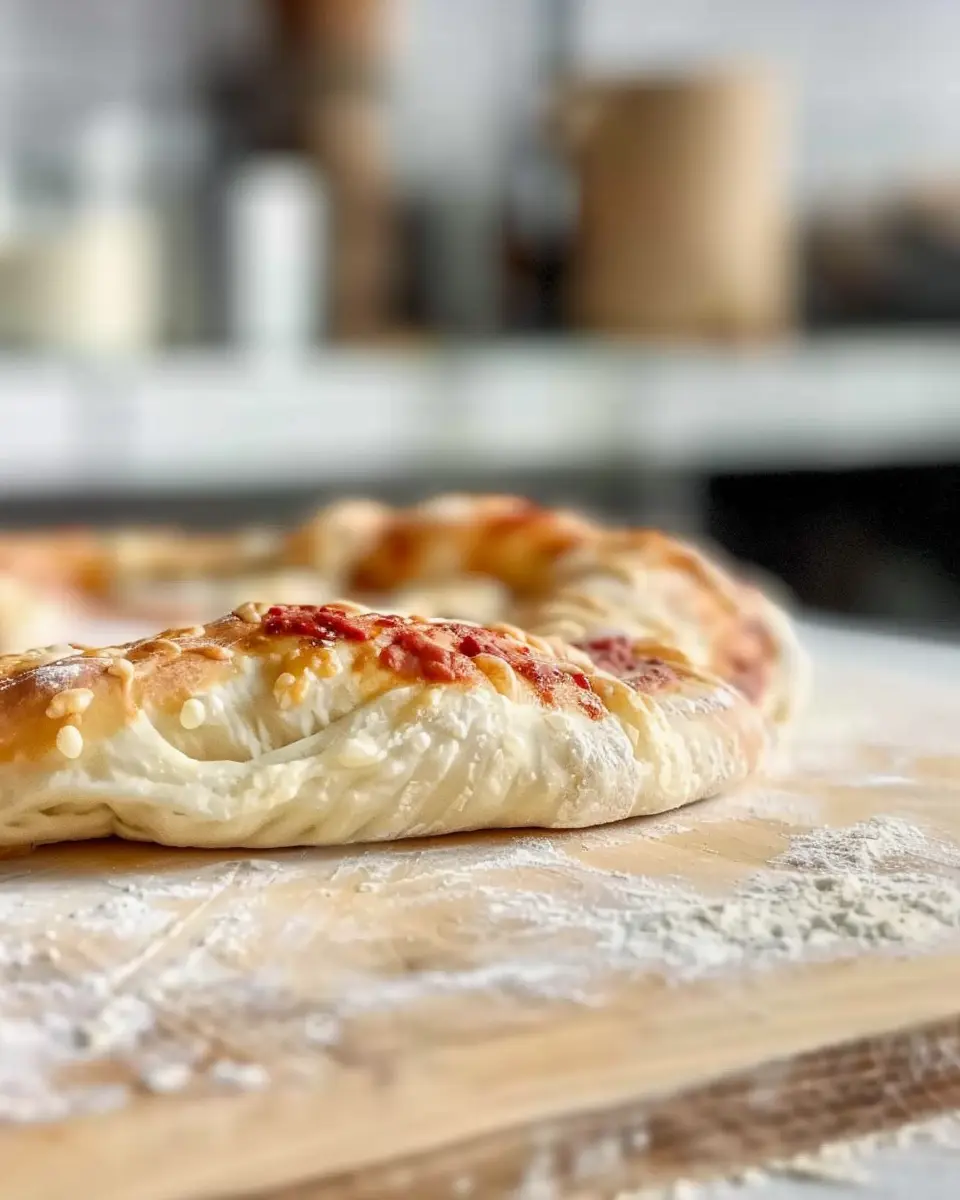
Once the oven is hot, gently stretch your dough into the desired shape on a floured surface. Transfer it carefully to a preheated pizza stone or baking sheet.
The thrill of pulling a beautifully baked artisan pizza dough from the oven is ultimate proof that all your hard work was worth it. Now, slice it up, enjoy, and be prepared for compliments!
By following these steps, you’re on your way to crafting delightful pizzas that will be the talk of your gatherings. Happy baking!

Variations on Artisan Pizza Dough
Creating your own artisan pizza dough is not just about making the classic version. There are plenty of variations to explore, catering to different dietary needs and preferences. Let’s dive into two crowd-pleasing options!
Gluten-Free Artisan Pizza Dough
For those with gluten sensitivities, a delicious gluten-free variant can transform your pizza nights. Swap out regular flour for a high-quality gluten-free flour blend. Here’s what you’ll need:
- 2 cups gluten-free flour (made from rice, potato, or tapioca)
- ¾ cup warm water
- 1 tablespoon olive oil
- 1 teaspoon instant yeast
- You can use a pinch of salt for flavor.
Mix it all together until smooth, then let it rise for about an hour. The texture may differ from traditional dough, but roll it out thin and load up on your favorite toppings. You’ll be surprised by how authentic it tastes! For more tips on gluten-free baking, consider checking out King Arthur Baking Company’s resources.
Whole Wheat Artisan Pizza Dough
If you’re looking for a healthier twist, whole wheat artisan pizza dough offers added nutrients and fiber. This dough is easy to make and gives a nutty flavor:
- 1 ½ cups whole wheat flour
- 1 cup all-purpose flour (for lightness)
- ¾ cup warm water
- 2 tablespoons olive oil
- 1 teaspoon active dry yeast
- A dash of salt
Combine the dry ingredients before mixing in the wet ingredients. Allow it to rise, then shape and bake. This option not only tastes great but also sneaks in some extra health benefits! It’s perfect for a health-conscious dinner party where you can impress your friends with your culinary skills.
With these variations, your artisan pizza dough is bound to please every palate! So which one will you try next?
Cooking Tips and Notes for Artisan Pizza Dough
Tips for Perfecting Your Dough
Crafting artisan pizza dough is truly an art form! Here are a few tips to ensure your dough is just right:
- Use High-Quality Flour: Opt for bread flour with higher protein content. It helps create a chewy crust that we all love.
- Warm Water: Activating your yeast with slightly warm water (around 105°F) can make a world of difference in rising.
- Knead with Care: Aim for a smooth, elastic texture. Kneading helps develop gluten, which gives your dough that perfect bite.
- Rest Time: Don’t skip the resting time! A longer rise allows flavors to deepen, making your crust irresistible.
Common Mistakes to Avoid
Even seasoned cooks can slip up in the kitchen. Here are some common pitfalls when making artisan pizza dough:
- Too Much Flour: Adding excess flour can lead to a dry crust. Always measure accurately!
- Ignoring the Temperature: Cold dough will not rise properly. Keep your ingredients at room temperature where possible.
- Rushing the Process: Good things take time! Resist the urge to skip the second rise; it’s essential for flavor and texture.
For further reading on perfecting your dough, I recommend checking out this article on The Science of Baking. With these tips in hand, you’ll be well on your way to pizza perfection!
Serving Suggestions for Artisan Pizza
Classic Toppings Pairings
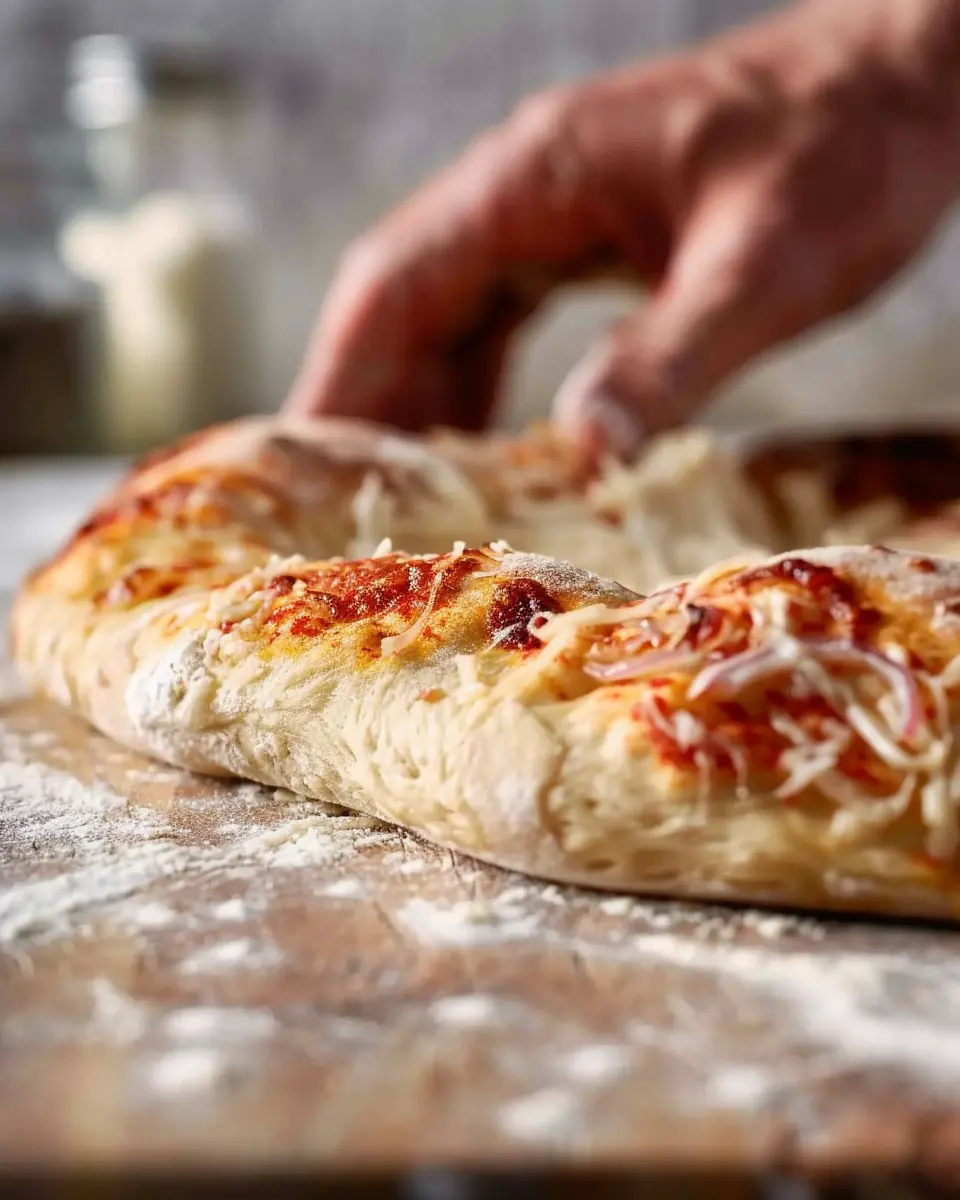
When it comes to artisan pizza dough, simplicity often shines. Classic toppings elevate your pizza to beloved favorites. Here are some tried-and-true combinations:
- Margherita: Fresh mozzarella, basil, and a drizzle of olive oil. It’s light yet bursting with flavor.
- Pepperoni: The quintessential choice—salty, spicy slices complement a cheesy base beautifully.
- Turkey Bacon and Chicken Ham: For a savory twist, swaps of turkey bacon and chicken ham offer a delightful crunch without compromising on taste.
- Mushroom and Spinach: Earthy mushrooms paired with fresh spinach create a rich, flavorful experience.
Unique Toppings to Try
Ready to step outside the pizza box? Consider experimenting with unique toppings that will surprise your taste buds:
- Fig and Goat Cheese: The sweet and savory blend of figs and creamy goat cheese is simply irresistible.
- Pineapple and Jalapeño: This combination merges sweetness with heat—a perfect match for adventurous eaters.
- Hummus and Roasted Veggies: Instead of traditional sauce, try spreading hummus and adding a cornucopia of roasted vegetables for a healthy twist.
Feeling inspired? Check out more topping suggestions to customize your artisan pizza dough experience at Pizza Today or The Spruce Eats. Your perfect artisan pie awaits!
Time Breakdown for Artisan Pizza Dough
Preparation Time
Making artisan pizza dough is simpler than you might think! You’ll need about 10-15 minutes for the initial mixing and kneading. It’s a great opportunity to unwind and play some favorite tunes while you work. Just remember to have all your ingredients measured and ready to go!
Rising Time
The real magic happens during rising. Allow the dough to rise for about 1-2 hours at room temperature. Alternatively, let it rise slowly in the refrigerator overnight for a deeper flavor. This slow fermentation not only enhances the taste but makes working with the dough easier.
Baking Time
Once your dough has risen beautifully, it’s time to bake. Preheat your oven to the highest setting—around 475°F (245°C)—and bake your pizza for 10-12 minutes. Keep an eye on it to ensure the crust is golden brown, and voilà! You’ve created a delicious artisan pizza masterpiece.
For more tips on perfecting your dough, check out Serious Eats or BBC Good Food.
Nutritional Facts for Artisan Pizza Dough
When you’re whipping up artisan pizza dough, it’s not just about the delightful taste; understanding the nutritional profile can help you create a balanced meal. Here’s a quick look at what you’re getting in each serving.
Calories per Serving
A typical serving of artisan pizza dough (about 1/8 of a large pizza) contains approximately 150 calories. This allows you to indulge without guilt, especially when paired with fresh toppings.
Macronutrient Breakdown
Let’s break it down further:
- Carbohydrates: About 30 grams. Perfect for energy!
- Protein: Roughly 5 grams. Great for muscle repair!
- Fat: 2 grams. Minimal but necessary for flavor and texture.
For more information on the nutritional benefits of various pizza toppings or healthier alternatives for crafting your pizzas, check out articles from Healthline and Nutrition.org. Understanding these facts not only enhances your culinary journey but also your overall health!
Whether you plan to top it with veggies, turkey bacon, or a sprinkle of chicken ham, savor each slice knowing it’s a satisfying and nutritious choice.
FAQs about Artisan Pizza Dough
What flour works best for pizza dough?
When it comes to making artisan pizza dough, the type of flour you choose can greatly affect the texture and flavor. The best options are often tipo “00” flour, which is finely milled and ideal for a crispy yet chewy base, or bread flour, known for its higher protein content that helps create that wonderful elasticity. If you can’t find specialty flours, all-purpose flour will do just fine, especially if you’re just starting out. Each type of flour gives your pizza its unique character, so don’t hesitate to experiment!
How can I store leftover dough?
If you find yourself with extra dough, storing it properly is key to maintaining its quality. Make sure to wrap your artisan pizza dough tightly in plastic wrap or place it in an airtight container. You can refrigerate it for up to 3 days — just remember that it may require some time to come to room temperature before you roll it out. Alternatively, for longer storage, pop it in the freezer! When you’re ready to use it, thaw it overnight in the fridge.
Can I make pizza dough in advance?
Absolutely! In fact, making your artisan pizza dough in advance is a wonderful time-saver. You can prepare the dough a day or two ahead of time and let it cold ferment in the fridge. This long fermentation allows the flavors to develop, resulting in an even tastier crust. Plus, it makes weeknight dinners a breeze—simply roll out your dough, add your favorite toppings, and you’re ready to bake! For more insights on fermentation and flavor development, check out Serious Eats.
With these tips, you’ll be well on your way to mastering artisan pizza dough and impressing your friends at your next pizza night!
Conclusion on Artisan Pizza Dough
Recap of Homemade Benefits
Making your own artisan pizza dough at home isn’t just a culinary experience—it’s a way to impress friends and nurture your creativity. The benefits are numerous: you control the ingredients, ensuring quality and freshness while also accommodating dietary preferences. Plus, the satisfaction of watching your dough rise and transform into a delicious pizza base is truly rewarding.
Encouragement to Experiment
Don’t hesitate to play around! This artisan pizza dough recipe is a versatile foundation for your pizza creations. Try different toppings like grilled vegetables, fresh herbs, or even gourmet cheeses. The possibilities are endless, and experimenting with flavors can lead to some delicious surprises. So roll up your sleeves and enjoy the process—you’re crafting something special right in your kitchen! For more inspiration, check out resources like Serious Eats for tips on enhancing your pizza-making skills.
PrintArtisan pizza dough: Simple steps to elevate your homemade pizza

Learn how to make artisan pizza dough at home with these simple steps that enhance the flavor and texture of your pizza.
- Prep Time: 15 minutes
- Cook Time: 20 minutes
- Total Time: 2 hours 35 minutes
- Yield: 2 pizza crusts 1x
- Category: Main Dish
- Method: Baking
- Cuisine: Italian
- Diet: Vegetarian
Ingredients
- 4 cups all-purpose flour
- 1 ½ cups warm water
- 1 packet instant yeast
- 2 teaspoons salt
- 1 tablespoon olive oil
Instructions
- In a large bowl, combine the warm water and yeast. Let it sit for 5 minutes.
- Add the flour, salt, and olive oil to the yeast mixture. Mix until a dough forms.
- Knead the dough on a floured surface for about 10 minutes, until smooth.
- Place the dough in a greased bowl, cover, and let it rise for 1-2 hours.
- Punch down the dough, then shape it into pizza rounds.
- Let the dough rest for another 30 minutes before using.
Notes
- Ensure your water is not too hot to avoid killing the yeast.
- You can add herbs for additional flavor in the dough.
Nutrition
- Serving Size: 1 slice
- Calories: 200
- Sugar: 0g
- Sodium: 300mg
- Fat: 5g
- Saturated Fat: 1g
- Unsaturated Fat: 3g
- Trans Fat: 0g
- Carbohydrates: 37g
- Fiber: 2g
- Protein: 7g
- Cholesterol: 0mg
Keywords: artisan pizza dough, homemade pizza, pizza recipe