





Introduction to Homemade Pizza Dough
Why Make Your Own Pizza Dough?
Making your own pizza dough—isn’t just a fun kitchen project; it’s a delightful way to tailor your pizza experience. Store-bought versions can be convenient, but they often contain preservatives and chemicals that you’d never use at home. When you craft your own dough, you control the ingredients, ensuring a fresher, tastier base for all your favorite toppings. Plus, it’s often cheaper and can be made in bulk, providing you with an instant pizza night whenever the craving strikes!
The Joy of Homemade Meals
There’s something undeniably special about preparing food from scratch. The act of mixing, kneading, and watching that dough rise brings a certain joy and satisfaction that can’t be matched by simply tossing a frozen pizza in the oven. Homemade meals create not only delicious flavors but also cherished memories—think of pizza nights with friends, tossing dough in the air, and debating the best toppings. It’s a communal experience filled with laughter and creativity.
A Brief History of Pizza Dough
Pizza has a rich history that goes back centuries. Originating from Naples, Italy, the dough we now know started as a simple flatbread, crafted by locals as a quick and easy meal. According to food historians, the first pizzas were topped with ingredients like tomatoes, cheese, and basil around the late 18th century.
Today, various styles of pizza exist, reflecting regional preferences—from the deep-dish kind in Chicago to the thin crusts of New York. Understanding its history can make you appreciate that first bite even more. Interested in what has shaped modern pizza? You can check out this excellent overview here.
As you embark on this pizza-making adventure, remember that pizza dough is more than just a recipe. It’s a path to bring loved ones together, express creativity in the kitchen, and indulge in a meal that is entirely your own. So roll up your sleeves, and let’s get started!
Ingredients for Pizza Dough
Flour selection: Why 00 flour?
When it comes to crafting the perfect pizza dough, the type of flour you use plays a crucial role. Opt for 00 flour, which is finely milled and packed with protein. This flour helps in achieving that coveted chewy texture with a crispy crust — just like in your favorite Italian pizzeria. According to the Italian Trade Agency, 00 flour has a lower ash content, leading to a whiter, more refined dough that enhances flavor.
Importance of water temperature
Did you know that the temperature of your water can impact yeast activation? Using lukewarm water (around 100°F or 38°C) creates the perfect environment for yeast to thrive. This ensures optimal rising and flavor development in your pizza dough. Think of it as pampering your ingredients; warmth encourages them to work together harmoniously.
The roles of salt, yeast, and honey
Each ingredient in your pizza dough serves a specific purpose:
- Salt: Enhances flavor and regulates yeast activity.
- Yeast: The real hero, making your dough rise by producing carbon dioxide.
- Honey: Not only adds a touch of sweetness but also nourishes the yeast, leading to a better rise and flavor.
Combining these elements carefully ensures you achieve a balance of taste and texture, making your homemade pizza truly special. Interested in more tips on homemade dough? Check out King Arthur Baking for expert insights!
Preparing Pizza Dough
Making pizza dough at home is a rewarding experience that elevates your pizza night to a whole new level. Freshly baked pizza dough is not just about the taste; it’s about the aroma wafting through your kitchen and the satisfaction of creating something delicious from scratch. Let’s walk through each step of the process to get your pizza dough ready for action!
Activate the yeast
The first step in your pizza dough journey is activating the yeast. Yeast is what makes the dough rise and gives it that delightful texture. You’ll need:
- 1 packet (2 ¼ teaspoons) active dry yeast
- 1 teaspoon sugar
- ¾ cup warm water (around 110°F or 43°C)
In a small bowl, combine the warm water and sugar, then gently sprinkle the yeast on top. Let it sit for about 5-10 minutes. You’ll know it’s ready when it becomes frothy and bubbly. This is the magic of yeast awakening, so don’t skip this vital step! If you’re curious about the science behind yeast, check out this informative article on yeast activation.
Add the flour
Now that your yeast is active, it’s time to combine it with flour, which is essential for structure. In a large mixing bowl, add:
- 2 ¼ cups all-purpose flour (plus extra for dusting)
- 1 tablespoon olive oil
Pour the yeast mixture into the bowl with the flour. Stir with a wooden spoon until the dough starts to come together. It might be a little sticky, but that’s okay; it’ll smooth out in the next steps!
Incorporate the salt
Once your flour and yeast mixture have come together, it’s time to add salt. This step is crucial as salt enhances flavor and strengthens gluten. Add:
- 1 teaspoon salt
Mix the salt into the dough thoroughly, ensuring it’s evenly distributed. This step can be done directly in the bowl; just break up any flaky bits of salt as you mix.
Knead the dough
Kneading is where the magic really happens! This process develops the gluten, giving your pizza dough its chewy texture. Transfer the dough onto a floured surface and knead it for about 8-10 minutes, continuously folding and pushing it until it’s smooth and elastic. If you find it’s too sticky, sprinkle a little more flour on your work surface as needed.
First rise (bulk fermentation)
After kneading, place your dough in a lightly oiled bowl, cover it with a damp cloth or plastic wrap, and let it rise in a warm spot for 1-1.5 hours. During this time, the dough will double in size as the yeast continues to work its magic!
Divide and shape
Once your dough has risen beautifully, it’s time to work with it. Gently punch it down to release some of the air. Depending on the size of your pizzas, you can divide the dough into two or four equal pieces. Shape each piece into a ball and let them rest for 5-10 minutes before moving on.
Second rise (proofing)
For the best results, let your dough balls proof for an additional 30-60 minutes. This allows them to relax, making it easier to stretch or roll out later. Again, cover them to avoid drying out.
Ready to make pizza!
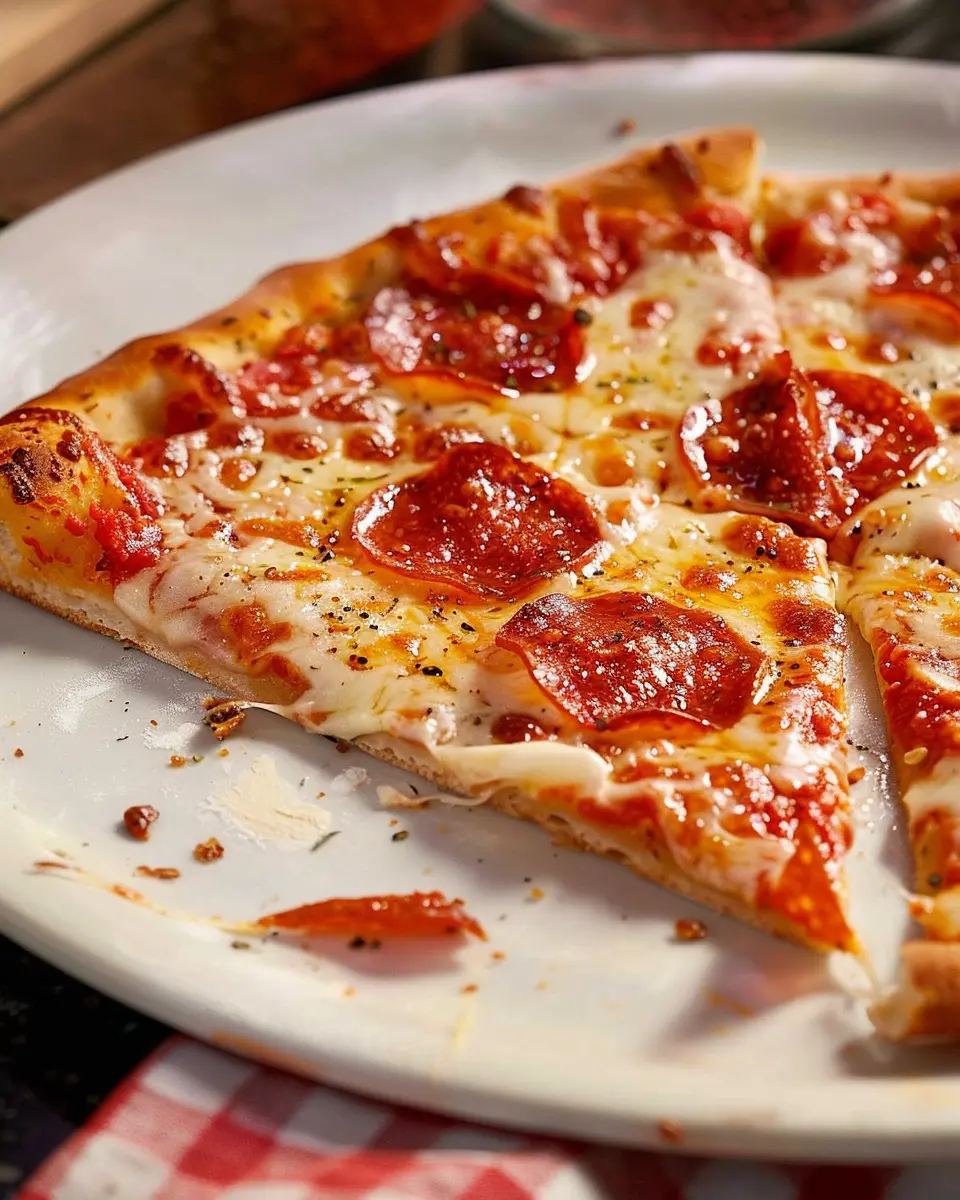
Now here’s where the fun really begins! Your pizza dough is finally ready to be shaped into personal or family-sized pizzas. Whether you choose to top it with fresh tomato sauce, mozzarella, and your favorite toppings like Turkey Bacon, Chicken Ham, or beef, the sky’s the limit!
In just a few simple steps, you’ve turned basic ingredients into a delightful pizza dough that’ll impress friends and family alike. So gather your toppings and get ready to bake—pizza night awaits!
If you’re keen to explore more about crafting pizza at home, consider checking out this comprehensive guide on homemade pizza techniques. You’re now on your way to becoming a pizza dough master!

Variations on Pizza Dough
When it comes to crafting the perfect pizza, the dough is your canvas. Let’s explore some delightful variations on traditional pizza dough that cater to different dietary preferences and flavor profiles.
Whole Wheat Pizza Dough
If you’re looking to up your health game without sacrificing taste, consider whole wheat pizza dough. Packed with fiber and nutrients, it not only adds a nutty flavor but also gives you that heartiness you might crave. To whip it up, simply substitute half or all of your regular flour with whole wheat flour. The texture will be a bit denser, but the added health benefits are totally worth it. Plus, it pairs beautifully with fresh veggie toppings!
Gluten-Free Pizza Dough Options
For those who are gluten-sensitive or simply prefer a lighter option, gluten-free pizza dough is a fantastic alternative. Many recipes use a combination of gluten-free flours like almond flour, rice flour, or chickpea flour. Incorporating xanthan gum can help in mimicking that stretchy texture we’re used to. You might want to check out resources like Celiac Disease Foundation for reliable gluten-free tips and tricks.
Herb-Infused Pizza Dough
Add a burst of flavor to your pizza dough by infusing it with herbs. Think rosemary, basil, or oregano mixed right into your dough! This not only enhances the aroma but also adds an incredible flavor profile that complements any toppings. A trick? Mix dried herbs into your flour before adding water. It’s a simple way to elevate your pizza night to gourmet status!
With these variations, your homemade pizza can cater to any mood or dietary need, ensuring a delicious slice every time. Try them out and enjoy the delightful twists they bring to your pizza experience!
Cooking Tips and Notes for Pizza Dough
Flour Handling Tips
When it comes to crafting the perfect pizza dough, the quality of your flour matters. Always opt for high-protein all-purpose flour or even bread flour for a chewier texture. Remember to measure your flour accurately—too much can lead to a dry dough, while too little can leave it soggy. If you’re uncertain, weigh your flour for precision. For tips on choosing the right flour, check out The Kitchn’s Flour Guide.
Avoiding Sticky Dough
Sticky dough can be a chef’s nightmare. If your pizza dough feels overly tacky, sprinkle a little flour on your work surface and your hands. It’s best to add flour gradually, as too much can compromise the dough’s elasticity. Before rolling out, let it rest for a few minutes; this allows the gluten to relax, making it easier to handle.
Kneading Methods Explained
Whether you choose hand kneading or a stand mixer can affect your results. Hand kneading helps develop an intimate connection with your pizza dough, giving you a sense of its texture. On the other hand, a stand mixer can save time and energy, yielding consistent results. For those new to the kitchen, consider watching a tutorial on kneading techniques at Serious Eats.
Embrace these tips, and you’ll be well on your way to mastering your homemade pizza dough!

Serving Suggestions for Pizza
Classic Margherita Pizza
For the ultimate pizza dough experience, try the classic Margherita. Just spread a thin layer of tomato sauce on your freshly rolled dough, add slices of fresh mozzarella, and scatter vibrant basil leaves on top. A drizzle of olive oil before it goes into the oven enhances the flavors beautifully. This simple combination celebrates the essence of pizza with every bite.
Creative Topping Ideas
Feeling adventurous? Elevate your homemade pizza with unique toppings! Consider:
- Turkey Bacon and Avocado: A fantastic twist that adds crunch and creaminess.
- BBQ Chicken: Using chicken ham, drizzle with barbecue sauce and top with red onions for a smoky flavor.
- Mediterranean Delight: Feta cheese, Kalamata olives, and artichoke hearts create a vibrant taste experience.
Pairing Options for Homemade Pizza
What goes well with your pizza dough creation? For a refreshing palate cleanser, whip up a side salad with mixed greens, cherry tomatoes, and a light vinaigrette. Craving something a bit heartier? Homemade garlic knots are a perfect match. To drink, consider sparkling water infused with lemon or herb-infused teas for a refreshing lift after all that cheesy goodness.
These suggestions will not only satisfy your taste buds but can also transform your pizza night into a memorable experience. Looking for more inspiration? Check out resources from Serious Eats for further ideas and tips!
Time Breakdown for Making Pizza Dough
Preparation Time
The preparation time for your homemade pizza dough is quick and straightforward—about 15 to 20 minutes. Just gather your ingredients, mix them together, and then knead until you have a smooth, elastic dough. It’s easier than you might think! If you’re a first-timer, don’t hesitate to check out helpful resources like King Arthur Baking for step-by-step guidance.
Rising Times
Once prepared, let your pizza dough rise. You’ll need to allow for approximately 1 to 1.5 hours for it to double in size. A warmer kitchen can speed this up, ensuring you’re biting into that delicious pizza sooner rather than later. Additionally, if time permits, cold fermentation in the fridge overnight enhances the flavor—an option worth considering!
Total Time Needed
In total, you’re looking at about 2 hours for the entire process—from mixing to having a beautifully risen dough ready to shape. Just think, in this short span, you’re on your way to crafting a delightful homemade pizza that could easily impress your friends or family!
Nutritional Facts for Pizza Dough
When you’re making homemade pizza dough, it’s helpful to know the nutritional profile to ensure a balanced meal. Here’s a closer look at some key elements:
Calories
A typical serving of pizza dough, which is about 1/8 of a large pizza, contains around 150-200 calories. This can vary depending on the specific recipe and additional toppings used.
Protein
In a standard serving, you’ll find approximately 5-7 grams of protein. This is due to the flour, which can be fortified with added nutrients—making it a better option than many frozen alternatives.
Sodium
The sodium content in pizza dough is typically around 250-300 mg per serving. While not excessively high, it’s a good idea to be mindful of this, especially if you’re adding salty ingredients like chicken ham or turkey bacon.
For more detailed nutritional insights on homemade dishes, check out this informative article on nutrition from Healthline. Understanding these aspects can help you make conscious decisions about your meal choices. So, what will you create with your delicious pizza dough?
FAQ about Pizza Dough
Can I freeze pizza dough?
Absolutely! Freezing pizza dough is a fantastic way to have it ready when the craving strikes. Just shape the dough into a ball, wrap it tightly in plastic wrap, and place it in a sealed freezer bag. When you’re ready to use it, simply thaw the dough overnight in the fridge, then let it rest at room temperature for about 30 minutes before stretching it out. It’s a great way to keep some homemade dough on hand for spontaneous pizza nights!
How long will pizza dough last in the fridge?
When stored correctly, pizza dough can last in the fridge for about 3 to 5 days. Make sure to cover it with plastic wrap or place it in an airtight container to prevent it from drying out. If you’re unsure whether it’s still good, just give it a good sniff! Fresh dough will have a pleasant yeasty smell, while spoiled dough may have a sour odor.
What can I use instead of 00 flour?
If you don’t have 00 flour on hand, don’t worry—there are excellent substitutes! You can use all-purpose flour, which is readily available and still yields a nice crust. For a more similar texture, try a blend of all-purpose flour with a little bit of vital wheat gluten to increase its protein content. It’s all about experimentation, so feel free to mix and match until you find your perfect dough!
By answering common queries about pizza dough, we hope to inspire confidence in your pizza-making adventures. For more in-depth tips and tricks, consider checking out resources like Serious Eats or King Arthur Baking for an array of useful articles. Happy baking!
Conclusion on Pizza Dough
Embrace your homemade pizza journey!
Making your own pizza dough can be both a fun and rewarding experience. As you roll out your crust, remember, every mistake is a lesson, and each pizza is a delicious opportunity to explore new flavors. Whether you’re after a classic Margherita or a unique creation, the sky is the limit!
Final thoughts and encouragement
So don’t hesitate to experiment with your pizza dough. Add herbs, try different flours, or dive into new toppings. Each time you make pizza at home, you’re enhancing your culinary skills and creating moments to share. Check out resources from Serious Eats or The Kitchn for more inspiration. Happy pizza-making!
PrintPizza Dough Perfection: Easy Steps for Delicious Homemade Pies

Learn how to make the perfect pizza dough with our easy steps, ensuring delicious homemade pies every time.
- Prep Time: 15 minutes
- Cook Time: 20 minutes
- Total Time: 1 hour 35 minutes
- Yield: 2 pizzas 1x
- Category: Main Dish
- Method: Baking
- Cuisine: Italian
- Diet: Vegetarian
Ingredients
- 4 cups all-purpose flour
- 1 1/2 cups warm water
- 2 teaspoons salt
- 1 packet active dry yeast
- 1 tablespoon sugar
- 2 tablespoons olive oil
Instructions
- In a bowl, combine warm water, sugar, and yeast. Let it sit until frothy, about 5 minutes.
- In a large mixing bowl, mix the flour and salt.
- Add the yeast mixture and olive oil to the flour. Stir until a dough forms.
- Knead the dough on a floured surface for about 10 minutes.
- Place the dough in a greased bowl and cover it. Let it rise in a warm place for 1 hour.
- Once risen, punch down the dough and roll it out to your desired thickness.
Notes
- For a crispier crust, use a pizza stone.
- Experiment with different types of flour for varied texture.
Nutrition
- Serving Size: 1 slice
- Calories: 150
- Sugar: 0g
- Sodium: 300mg
- Fat: 2g
- Saturated Fat: 0g
- Unsaturated Fat: 2g
- Trans Fat: 0g
- Carbohydrates: 28g
- Fiber: 1g
- Protein: 4g
- Cholesterol: 0mg
Keywords: Pizza Dough