





Introduction to Homemade Food
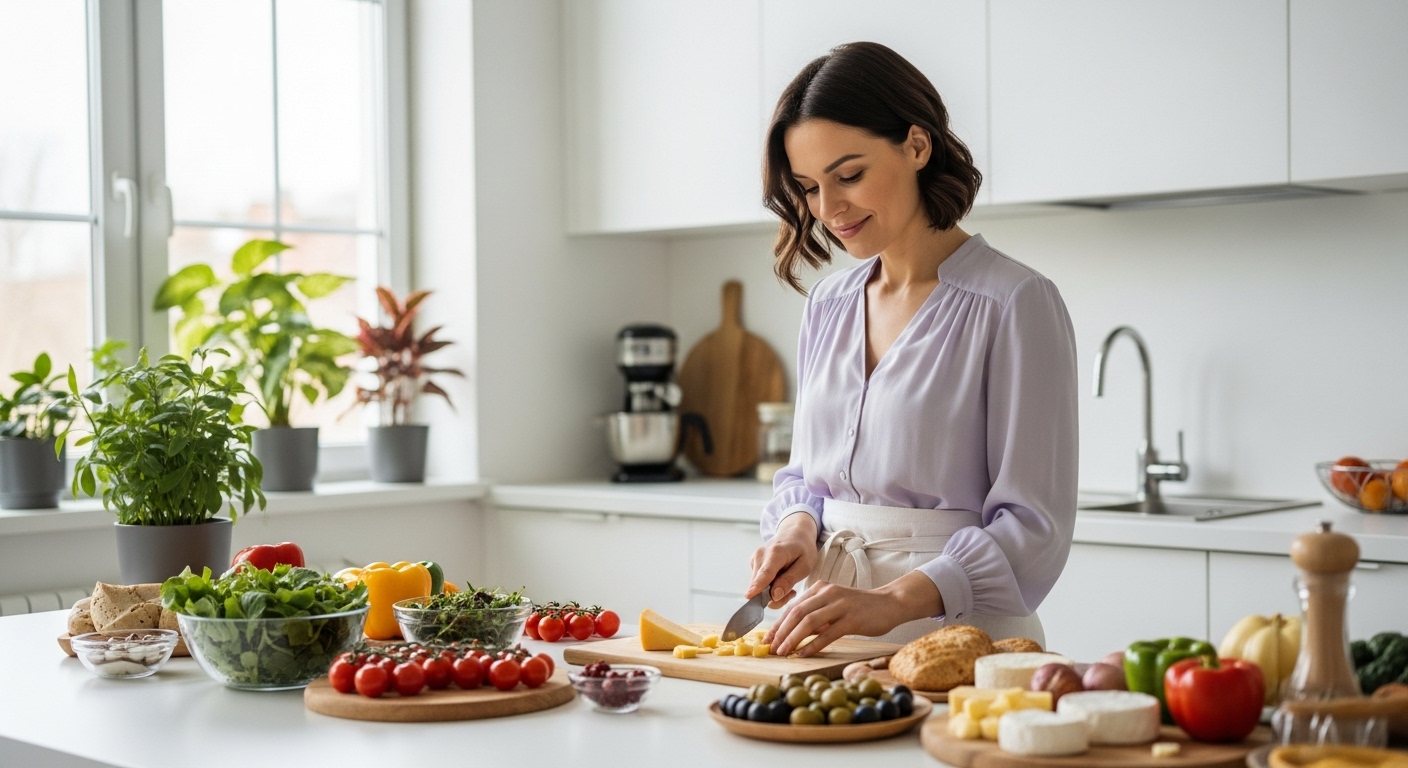
Cooking at home is not just a trend; it’s a lifestyle that can bring joy, health, and satisfaction right into your kitchen. Many young professionals today find comfort in preparing homemade meals, yet fast food still often tempts us with its convenience. So, why should you opt for homemade food instead of that drive-through burger?
Why Choose Homemade Food Over Fast Food?
One of the primary reasons to embrace homemade food is the complete control you have over the ingredients. Whether you’re whipping up a fresh salad or a hearty casserole, you can choose the freshest produce, lean proteins like turkey bacon, or flavorful alternatives like chicken ham. You might be surprised to know that studies indicate home-cooked meals typically contain about 50% less sodium than fast food options, resulting in better heart health over time.
Another significant advantage is the potential for creativity. With homemade cooking, you can experiment with flavors and cuisines, making dinner a fun adventure rather than a mundane chore. Have you ever tried recreating your favorite restaurant dish at home? It could lead to delicious discoveries, all while knowing what’s going into your meal.
Let’s not ignore the financial benefits either. Preparing meals at home can save you a significant amount of money in the long run. The average meal at a restaurant can cost you three to four times more than what it would if you cooked it yourself. Plus, using bulk ingredients means you’ll always have the essential items on hand—making spontaneous meal decisions both easy and budget-friendly.
Feeling overwhelmed with a busy schedule? Consider meal prep! Dedicate a few hours on the weekend to prepare several meals in advance. This strategy not only ensures you have tasty, nutritious choices during the week but can also curb stress and make your nights more relaxed.
For tips on meal prepping and maintaining a healthy diet, check out The Mediterranean Diet from Harvard Health, which emphasizes wholesome ingredients and cooking at home.
By prioritizing homemade food, you’re nurturing both your body and mind while fostering a deeper relationship with what you eat. Let’s dive deeper into the joy of cooking from scratch and explore some fantastic recipes that make this journey enjoyable and fulfilling!

Essential Ingredients for Homemade Food
Creating homemade food from scratch can be a rewarding experience, and having the right ingredients is crucial. Here’s a quick guide to some essentials you’ll want to keep on hand.
Fresh Produce
Start with a colorful selection of fresh fruits and vegetables. Not only do they add vibrancy to your dishes, but they also pack in nutrients. Think leafy greens, vibrant peppers, and seasonal fruits which boost flavor and health benefits. For tips on selecting the best produce, check out resources like Seasons Produce.
Lean Proteins
Incorporate lean proteins like turkey bacon, chicken ham, or beans. They provide the necessary building blocks for your body while keeping meals satisfying. A WebMD article highlights that protein helps you feel fuller longer, aiding your weight loss journey while enjoying delicious meals.
Whole Grains
Ditch the refined carbs and opt for whole grains. Brown rice, quinoa, and whole wheat pasta can elevate your homemade food game while keeping you energized throughout the day. Whole grains are packed with fiber, enhancing digestion and overall wellbeing.
Spices and Herbs
Don’t underestimate the power of spices and herbs! They transform ordinary dishes into culinary delights. Fresh basil, oregano, and spices like cumin and paprika can add depth and flair to any meal. Experiment and find your favorites—let your kitchen become a flavor lab!
Step-by-Step Preparation for Delicious Homemade Food
Creating homemade food is one of those art forms that can feel both creatively fulfilling and practically rewarding. Whether you’re whipping up a quick weeknight dinner or preparing a feast for friends, these steps will guide you towards making something delicious with minimal stress. Let’s dive into the essentials of preparing tasty dishes at home!
Gather Your Ingredients
The first step in crafting any delightful homemade food is gathering your ingredients. Check your pantry, fridge, and spice cabinet to see what you already have. This helps avoid unnecessary trips to the grocery store and saves you some cash! Here’s a quick list to assist you:
- Fresh vegetables (like bell peppers, onions, or spinach)
- Quality proteins (such as chicken ham or turkey bacon)
- Grains (like rice or pasta)
- Spices and herbs (think oregano, basil, garlic powder)
- Broths or sauces for added flavor
And don’t forget! The fresher your ingredients, the better your meal will taste. Look for seasonal produce to enhance flavors and boost nutrition. If you need inspiration, check out sites like FoodNetwork or BBC Good Food for recipe ideas that make the most of what’s in season.
Prep Your Vegetables and Proteins
Once you’ve got all your ingredients in one place, it’s time to prep. Properly prepping your vegetables and proteins not only makes the cooking process smoother but also enhances the flavors.
- Wash and chop: Rinse your vegetables thoroughly and chop them according to the recipe. Uniform pieces ensure even cooking.
- Marinating proteins: For proteins like chicken ham or turkey bacon, consider marinating them in some herbs and spices. This adds an additional layer of flavor. A simple marinade could be olive oil, lemon juice, garlic, and your favorite herbs.
- Organize your workspace: Like any artist, a clean workspace makes for a better creation. Keep your cutting boards, knives, and bowls handy.
Cook with Love – The Heart of Homemade
Now for the best part—cooking! Here, love is your secret ingredient. Cooking at home allows you to adjust flavors and cooking times as you desire. Here are some tips to ensure you create something worthwhile:
- Follow the recipe: Especially if you’re a beginner, stick to your recipe to learn the ropes. Over time, you’ll gain confidence to improvise.
- Taste as you go: This is key in home cooking. Adjust seasoning based on your preference. A pinch of salt or dash of pepper can change the whole dish!
- Don’t rush: Take your time as this can make your meal more enjoyable. Savor the cooking process—after all, good things come to those who wait!
Assemble Your Dish
After cooking, the next step is assembly. This is where presentation matters a lot! Think about how you can showcase your homemade food appealingly:
- Layer your ingredients: For dishes like salads or pasta, consider layering your ingredients for a beautiful presentation.
- Use eye-catching dishes: Serving your meal in vibrant bowls or plates can make a significant difference.
- Balance colors and textures: A mix of colors adds to the visual appeal, while varying textures can enhance the dining experience.
Add Finishing Touches
Finally, don’t overlook those finishing touches. A few well-placed garnishes can elevate your homemade dish from everyday to extraordinary!
- Garnish wisely: Fresh herbs like parsley or basil on top can add a burst of flavor and color.
- Drizzle of sauce: A splash of balsamic glaze or a dash of hot sauce can kick things up a notch.
- Personal touch: Add a sprinkle of something you love—whether that’s crushed red pepper, feta cheese, or nuts—for that personal touch.
And there you have it—a step-by-step guide to preparing delicious homemade food! With practice and patience, you’ll find your rhythm in the kitchen, and who knows? You might just become the person everyone asks for recipes! Happy cooking!

Exciting Variations of Homemade Food
Vegetarian Options
If you’re looking for homemade food that caters to plant-based diets, you’re in luck! Many classic dishes can be easily adapted to suit vegetarian tastes without sacrificing flavor. Think about swapping out traditional meat fillings for hearty ingredients like lentils, chickpeas, or quinoa. For instance, a vegetarian chili packed with black beans and vegetables can be just as satisfying as its meaty counterpart.
For delightful bites, consider using Turkey Bacon in breakfast dishes or wraps. The smokiness adds a comforting touch, while still keeping it veggie-friendly.
International Flavors
Spice up your kitchen with international flavors that turn simple homemade food into an adventure. Why not try your hand at a Moroccan tagine using chickpeas, sweet potatoes, and aromatic spices like cumin and coriander? Or set your sights on Italian cuisine: a lively vegetable risotto made with vegetable broth, fresh herbs, and seasonal veggies takes comfort food to a new level.
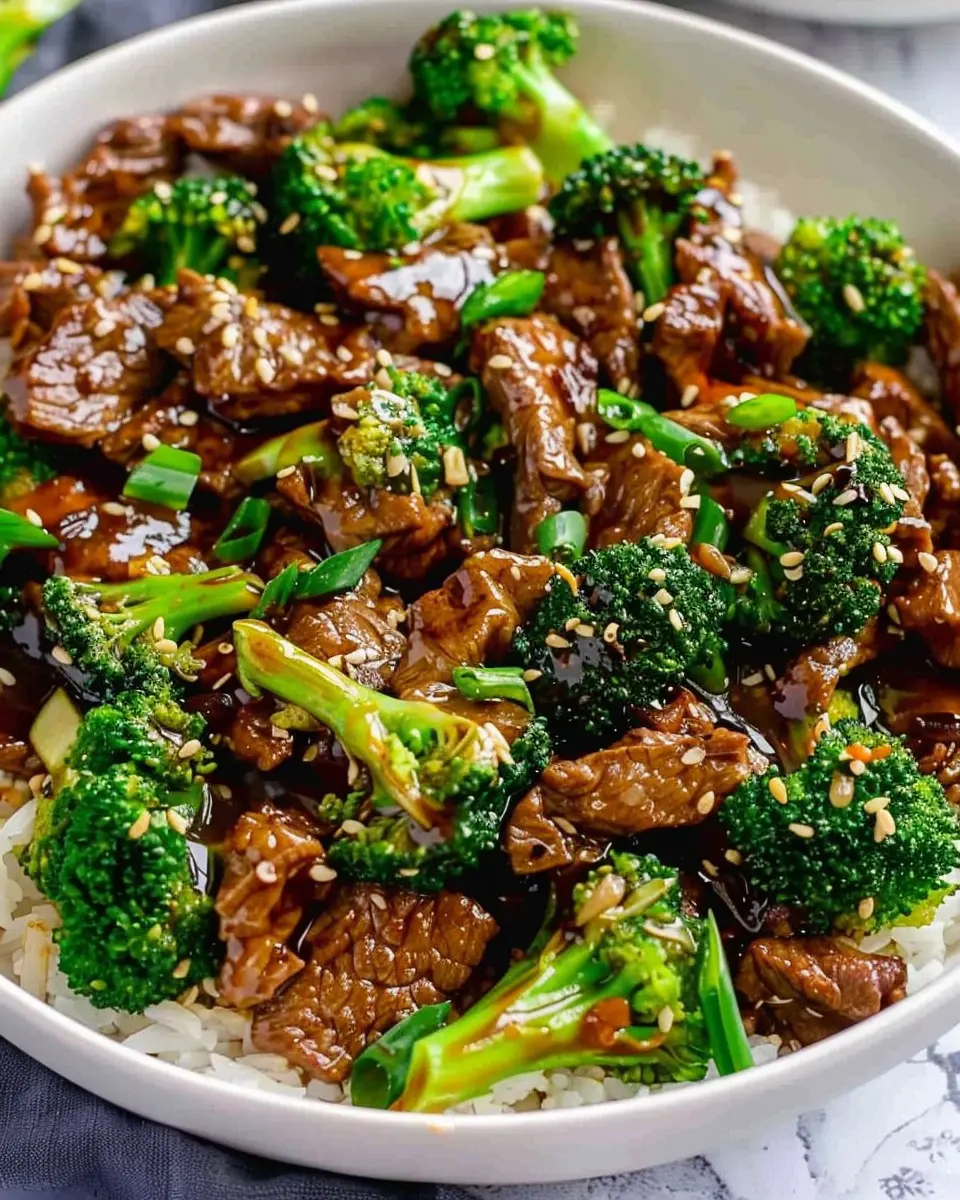
If you’re feeling particularly ambitious, explore Asian-inspired dishes. A stir-fry with tofu, vibrant bell peppers, and a splash of soy sauce can make for a quick, flavorful meal. The possibilities are endless!
Healthy Swaps
We all want our homemade food to be wholesome, and there are plenty of easy substitutions you can make. Instead of Chicken Ham, try using grilled vegetables or even a layer of creamy avocado for sandwiches. Looking to cut down on carbs? Replace traditional pasta with spiralized zucchini for a nutritious twist.
As a bonus, many recipes can switch out regular dairy for alternatives like almond milk or coconut yogurt without compromising on taste. The key is to experiment and discover what works for you!
For more recipe ideas, check out BBC Good Food and unleash your culinary creativity!
Cooking Tips and Notes for Homemade Food
Use Seasonal Ingredients
Embracing seasonal ingredients not only ensures fresher flavors, but also supports local farmers and reduces your environmental impact. When crafting your homemade food, visit local farmers’ markets to find out what’s in season. For example, incorporating fresh summer tomatoes or hearty winter squash can elevate your dishes. According to the USDA, fruits and vegetables at their peak have higher nutrient profiles, making your meals both delicious and nourishing.
Experiment with Flavors
Don’t be afraid to get creative in the kitchen! Homemade food allows you to play with spices and ingredients without any limitations. Try substituting your go-to seasonings with herbs like dill or basil for a fresh twist. Have you thought about adding a splash of citrus juice or some savory roasted garlic to bring out the flavors of your main ingredients? Experimenting not only enhances your cooking skills but also helps you discover new favorites.
Need more inspiration? Check out this guide on spice pairings to complement your dishes!

Serving Suggestions for Your Homemade Meals
Making delicious homemade food is just the start; how you serve it can elevate your dining experience. Here are some fresh ideas to make your meals shine.
Meal Prep Ideas
Meal prepping can save you time and make healthy eating easier. Consider these tips:
- Batch Cooking: Prepare large portions of your favorite dishes at once. Store them in individual containers for convenient lunches and dinners throughout the week.
- Mix and Match: Customize your meals by prepping various ingredients separately—like roasted veggies, grains, and proteins. This allows for endless combinations and keeps things exciting.
Creative Plating Techniques
Plating isn’t just for Instagram; it enhances your homemade food experience. Try these techniques:
- Color Balance: Use colorful vegetables and garnishes to create a vibrant plate. Think about creating a rainbow effect!
- Layer Heights: Stack ingredients for a dynamic presentation. For example, place your turkey bacon on top of a bed of greens topped with a drizzle of your favorite dressing for a delightful tower.
These approaches ensure that your meals not only taste great but look exceptional too. For more inspiration on plating and meal prep, check out resources like Serious Eats or The Kitchn.
Time Breakdown for Preparing Homemade Food
When it comes to making homemade food, knowing how much time to set aside can help streamline your cooking process.
Preparation Time
Expect to spend about 15-20 minutes gathering ingredients and prepping your space. Cutting vegetables, measuring spices, and getting everything organized will make the cooking phase smoother.
Cooking Time
The actual cooking will take around 30-40 minutes, depending on the recipe. This is where your homemade food really comes alive, from the sizzle of Turkey Bacon to the aroma of sautéed veggies.
Total Time
So all together, you’re looking at an approximate total time of 45-60 minutes. Perfect for a fulfilling dinner after a busy day!
For tips on efficient meal prep, check out resources from sources like America’s Test Kitchen or Serious Eats to help speed up your cooking routine!
Nutritional Facts for Homemade Food
Balanced Meals
Creating homemade food allows you to craft balanced meals tailored to your dietary needs. By incorporating lean proteins like Turkey Bacon or Chicken Ham, diverse vegetables, and whole grains, you achieve a hearty blend of nutrients. According to the USDA, a well-balanced meal that includes proper portions of all food groups helps maintain overall health.
Portion Sizes
When preparing homemade food, it’s essential to be mindful of portion sizes. Standard recommendations suggest filling half your plate with vegetables, a quarter with lean proteins, and a quarter with whole grains. This approach not only supports healthy eating but also keeps you satisfied without overindulging.
Nutritional Benefits
Homemade meals often boast higher nutritional value than store-bought options. Fresh ingredients contain fewer preservatives, ensuring you get the maximum vitamins and minerals. For instance, incorporating seasonal produce can enhance flavor and nutrient density. Plus, cooking at home saves money while giving you complete control over ingredients, making it easier to avoid unnecessary additives. Want to learn more? Check out this detailed guide on nutritional benefits of cooking at home.
Keep these tips in mind as you whip up delicious, nutritious delights in your own kitchen!
FAQs about Homemade Food
How can I start cooking at home more frequently?
Getting into the rhythm of cooking at home can be a game changer for your health and wallet. Start small by designating a couple of nights each week as “homemade food nights.” Meal prepping on weekends can also ease the weekday crunch. You might consider planning meals that involve ingredients used across different recipes, which minimizes waste. Check out The Kitchn’s meal planning resources for tips and inspiration that fit your lifestyle.
What are some quick homemade meal ideas?
When time is tight, the last thing you want is to spend hours in the kitchen. Luckily, making delicious homemade food doesn’t have to be time-consuming. Here are a few ideas to get you started:
- Stir-fried vegetables with turkey bacon: Quick and colorful, just toss your favorite veggies in a pan with some turkey bacon for a nutritious meal.
- Chicken ham and cheese sandwiches: Perfect for lunch or dinner; slap together chicken ham and some freshly sliced vegetables in a whole-grain bun.
- Pasta with homemade marinara sauce: Cook pasta and whip up a quick sauce using canned tomatoes, garlic, and herbs.
Can I make homemade food on a budget?
Absolutely! Cooking at home can actually save you money. Start by buying in bulk and choosing seasonal produce, which is generally cheaper. Don’t hesitate to plan around sales, or try budget recipes from sources like Budget Bytes. With a little creativity, making nutritious homemade food can be both satisfying and economical.
Embracing the joys of cooking can redefine how you view meals. It’s not just about sustenance—it’s about connection, creativity, and undoubtedly, delicious homemade food!
Conclusion on the Joy of Homemade Food
Embrace Cooking and Enjoy the Process!
As you explore the flavors of homemade food, remember that cooking is about more than just nourishing our bodies—it’s an opportunity to foster creativity and connection. Each time you step into the kitchen, you’re not just preparing a meal; you’re creating memories and experiencing the joy of simplicity.
From the sizzle of Turkey Bacon to the aroma of fresh herbs, embrace the nuances that make cooking an adventure. Try inviting a friend over for a cooking night, and share laughter over your culinary triumphs (or hiccups). After all, the beauty of homemade food lies in the love and care you pour into each dish.
Ready to dive deeper into your cooking journey? Discover more tips at The Culinary Institute of America for inspiration and techniques that will take your homemade meals to the next level!
PrintHomemade Food: Easy Turkey Bacon and Chicken Ham Delight

A delightful recipe combining turkey bacon and chicken ham for a simple and tasty meal.
- Prep Time: 10 minutes
- Cook Time: 15 minutes
- Total Time: 25 minutes
- Yield: 2 servings 1x
- Category: Main Dish
- Method: Skillet
- Cuisine: American
- Diet: Low Carb
Ingredients
- 4 slices turkey bacon
- 4 slices chicken ham
- 1 cup mixed vegetables
- 1 tablespoon olive oil
- Salt to taste
- Pepper to taste
Instructions
- In a skillet, heat the olive oil over medium heat.
- Add the turkey bacon and chicken ham. Cook until crispy.
- Stir in the mixed vegetables and cook until tender.
- Season with salt and pepper to taste.
- Serve warm.
Notes
- You can substitute turkey bacon with regular bacon if desired.
- Adding spices can enhance the flavor.
Nutrition
- Serving Size: 1 serving
- Calories: 320
- Sugar: 2g
- Sodium: 800mg
- Fat: 22g
- Saturated Fat: 6g
- Unsaturated Fat: 16g
- Trans Fat: 0g
- Carbohydrates: 8g
- Fiber: 2g
- Protein: 24g
- Cholesterol: 60mg
Keywords: turkey bacon, chicken ham, easy recipe