




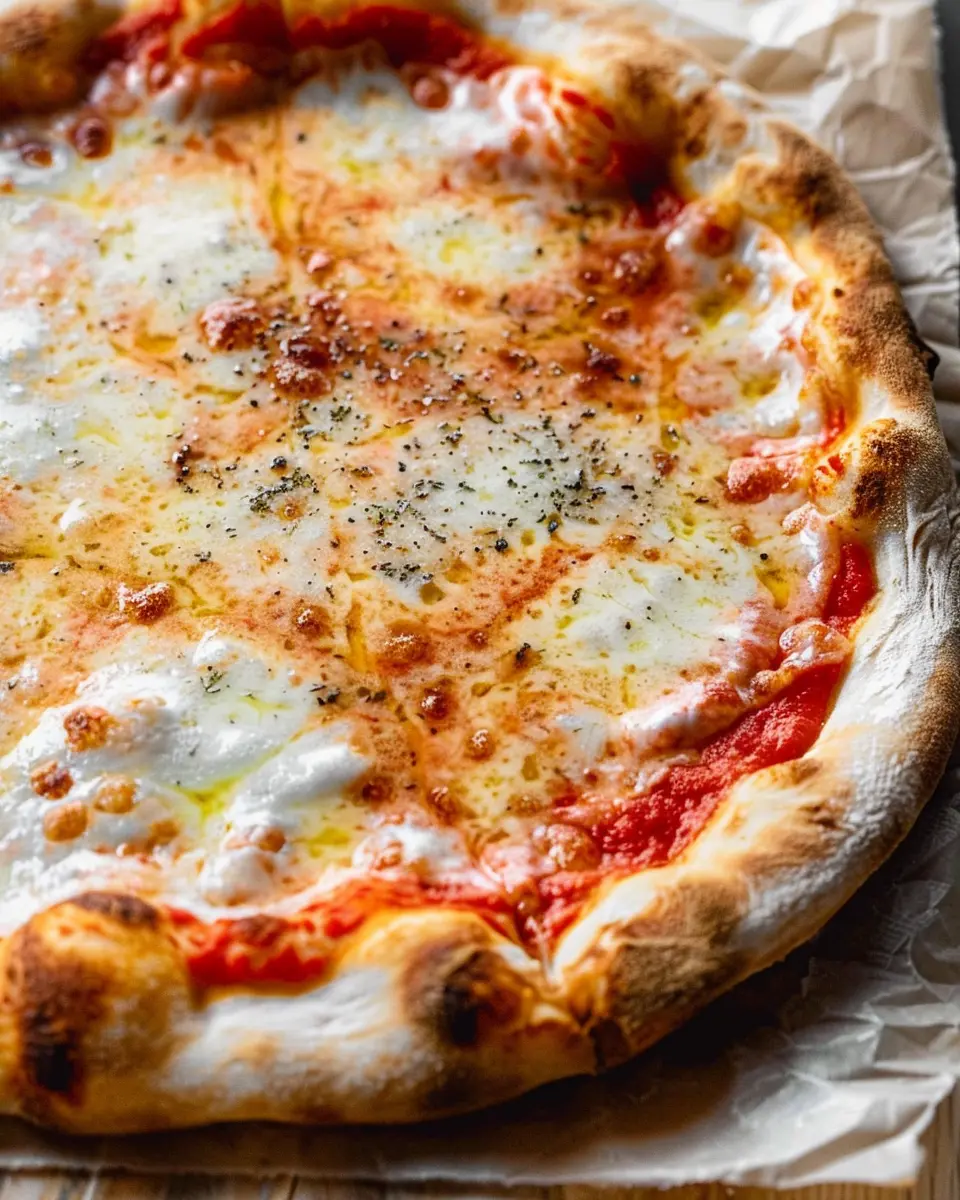
Introduction to Basic Pizza Dough
If you’ve ever enjoyed a pizza night at home, you might have realized how much more satisfying it is to roll out your own basic pizza dough. Making pizza dough from scratch is more than just a culinary skill; it’s an experience that transforms a simple meal into a memorable occasion. Here’s why you might want to dive into this delicious adventure.
Why Make Pizza Dough at Home?
-
Freshness and Flavor: Nothing beats the taste of fresh dough. Store-bought options often contain preservatives and can lack that homemade flavor you crave. When you make your own, you can control the ingredients, ensuring a deliciously fluffy and chewy crust that’s perfect for your pizza topping preferences.
-
Customization: By prepping your own basic pizza dough, you can easily adapt it to your dietary needs or cravings. Want a whole wheat crust? No problem! Gluten-free? Easy! You can experiment with herbs, spices, or even add a dash of olive oil to elevate the flavor. The possibilities are endless!
-
Economical: With the cost of pizza delivery creeping higher, making your own dough can save you money. According to a study by the USDA, homemade pizza is typically less expensive than your favorite takeout options, especially when you consider the high-quality ingredients you can use.
-
Fun and Bonding: Making pizza dough can be a wonderful activity for friends, couples, or family. Kneading the dough is satisfying, and there’s something incredibly enjoyable about crafting your own pizza together. It can turn an ordinary weeknight into a memorable gathering.
-
Skill Development: Mastering basic pizza dough helps build your confidence in the kitchen. Whether you’re a novice or an experienced cook, learning to make dough allows you to explore other baking and cooking techniques. Who knows? You might find yourself branching out into artisan bread-making next!
So, roll up your sleeves, gather your flour, yeast, and water, and let’s get started on this delicious journey of creating your own pizza from scratch! If you’re new to pizza dough, check out this guide to essential baking tips to make sure you’re set for success.
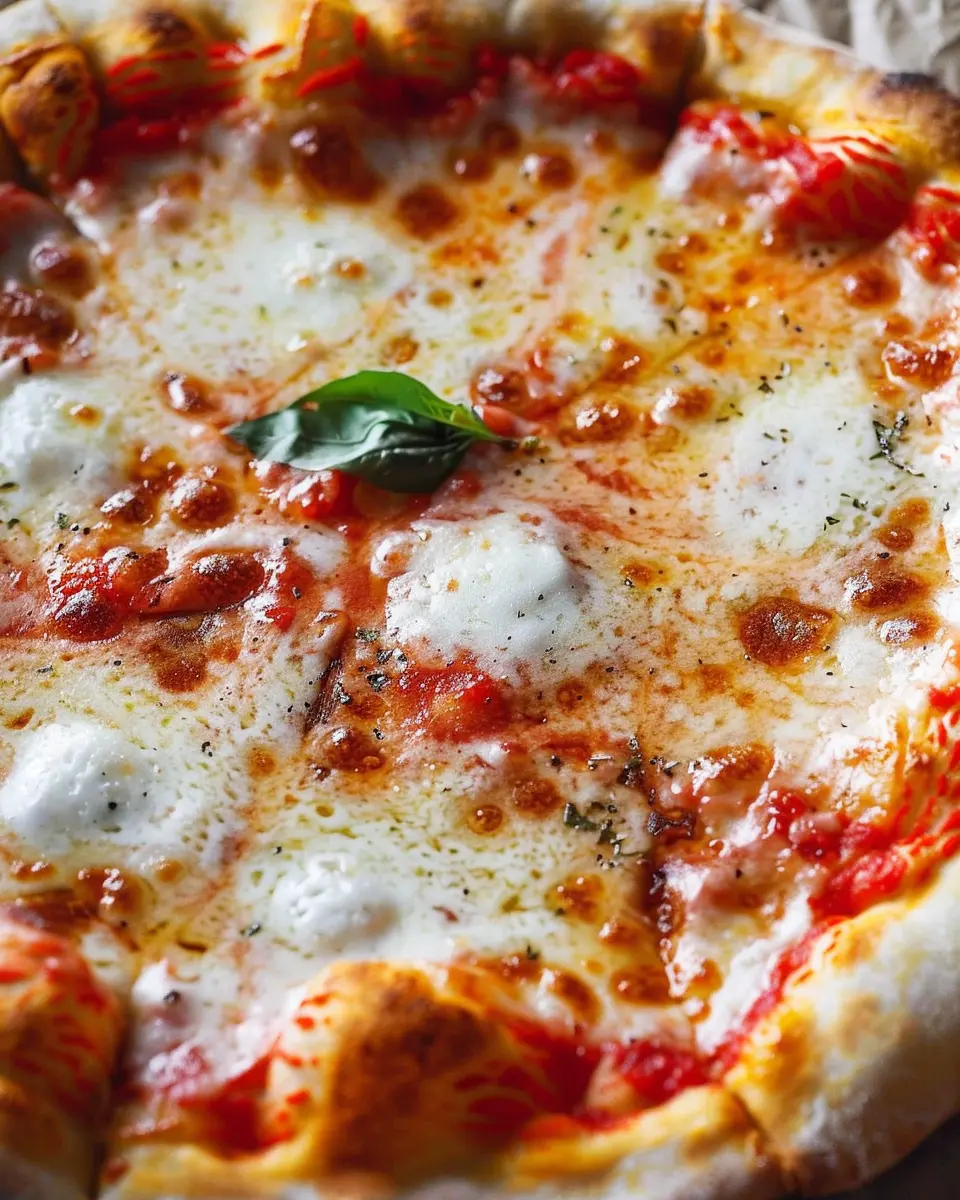
Ingredients for Basic Pizza Dough
Essential ingredients for the perfect dough
Creating the perfect basic pizza dough starts with a few essential ingredients that are likely sitting in your pantry. Here’s what you’ll need:
- Flour: All-purpose flour is your go-to, but bread flour can lend extra chewiness.
- Water: Use warm water to activate the yeast—think about body temperature for the perfect balance.
- Yeast: Active dry yeast or instant yeast works wonders in creating that delightful rise.
- Salt: Don’t skimp on flavor; salt enhances the dough’s taste.
- Olive oil: A splash adds richness and helps achieve a crisp crust.
These ingredients come together to deliver a base that can elegantly support all your favorite toppings.
Substitutes you can use
If you’re missing an ingredient or prefer something different, don’t fret!
- Flour: Whole wheat flour can be a healthier alternative—just adjust water as needed.
- Water: If you’re out, try using broth for added flavor.
- Yeast: Baking powder can work in a pinch but might alter the texture.
Feel free to explore these alternatives to personalize your basic pizza dough! For more tips on dough variations, check out Serious Eats’ guide.
Preparing Basic Pizza Dough
Making basic pizza dough from scratch might seem daunting at first, but once you dive into the process, it’s surprisingly simple and incredibly rewarding. You’ll find that the homemade version far exceeds anything from a box or frozen section. So, roll up your sleeves, and let’s craft the perfect base for your pizza masterpiece!
Mix the Dry Ingredients
Begin by gathering your dry ingredients. You’ll need all-purpose flour, yeast, salt, and a touch of sugar. Here’s a quick breakdown:
- 3 ½ cups all-purpose flour
- 1 packet (2 ¼ tsp) active dry yeast
- 1 tsp sugar
- 1 tsp salt
Start by mixing the flour, sugar, and salt in a large bowl.
Next, activate the yeast; combine it with warm water (about 110°F) and let it sit for about five minutes until it becomes frothy. This step ensures that your dough will rise beautifully and create that airy texture we all love in pizza. For precise handling of yeast, you might want to refer to the King Arthur Baking Guide for tips!
Incorporate the Wet Ingredients
Once your yeast is buzzing, add it to your flour mixture along with a couple of tablespoons of olive oil. Olive oil not only adds flavor but also keeps your dough from sticking and helps create that delightful chewiness.
Mix everything until it starts to come together; you can use a wooden spoon or your hands. Remember, the goal here is to form a shaggy mass. If it feels too dry, a sprinkle of water can bring it together without making it sticky.
Knead the Dough
Now comes the fun part! Turn the dough out onto a floured surface and start kneading. This is where you get to release any work-related stress! Knead for about 8 to 10 minutes until the dough is smooth and elastic.
As you knead, it’s crucial to determine when it’s ready. The classic windowpane test is a great method: stretch a small piece of dough, and if it forms a thin, translucent sheet without tearing, you’re on the right track. If you want to dive deeper into dough kneading techniques, check out Serious Eats’ guide on bread making.
Let the Dough Rise
After kneading, place your dough in a lightly oiled bowl, cover it with a clean kitchen towel, and let it rise in a warm area. This should take about 1-2 hours or until it’s doubled in size.
Why do we let it rise? The yeast needs time to ferment and produce gas, which creates that lovely airy structure we crave. Pro-tip: If you’re in a hurry, placing the dough in an oven with just the light on can create a nice warm environment for rising!
Shape the Dough
Once your dough is beautifully risen, it’s time to shape it into your desired pizza forms. You can either divide it into portions for individual pizzas or keep it whole for one large pie.
To shape it, gently press it down to release excess air, then form it into a ball. Use your fingers to stretch the dough on a lightly floured surface. Just remember to be gentle, leaving a slightly thicker edge for that fabulous crust.
With your basic pizza dough prepped, you’re now ready to add toppings. Experiment with Turkey Bacon, Chicken Ham, fresh vegetables, and any other toppings that spark your creativity. It’s your pizza, after all!
With this basic dough in your repertoire, you’ll feel empowered to try farther-reaching culinary adventures. Happy pizza-making!
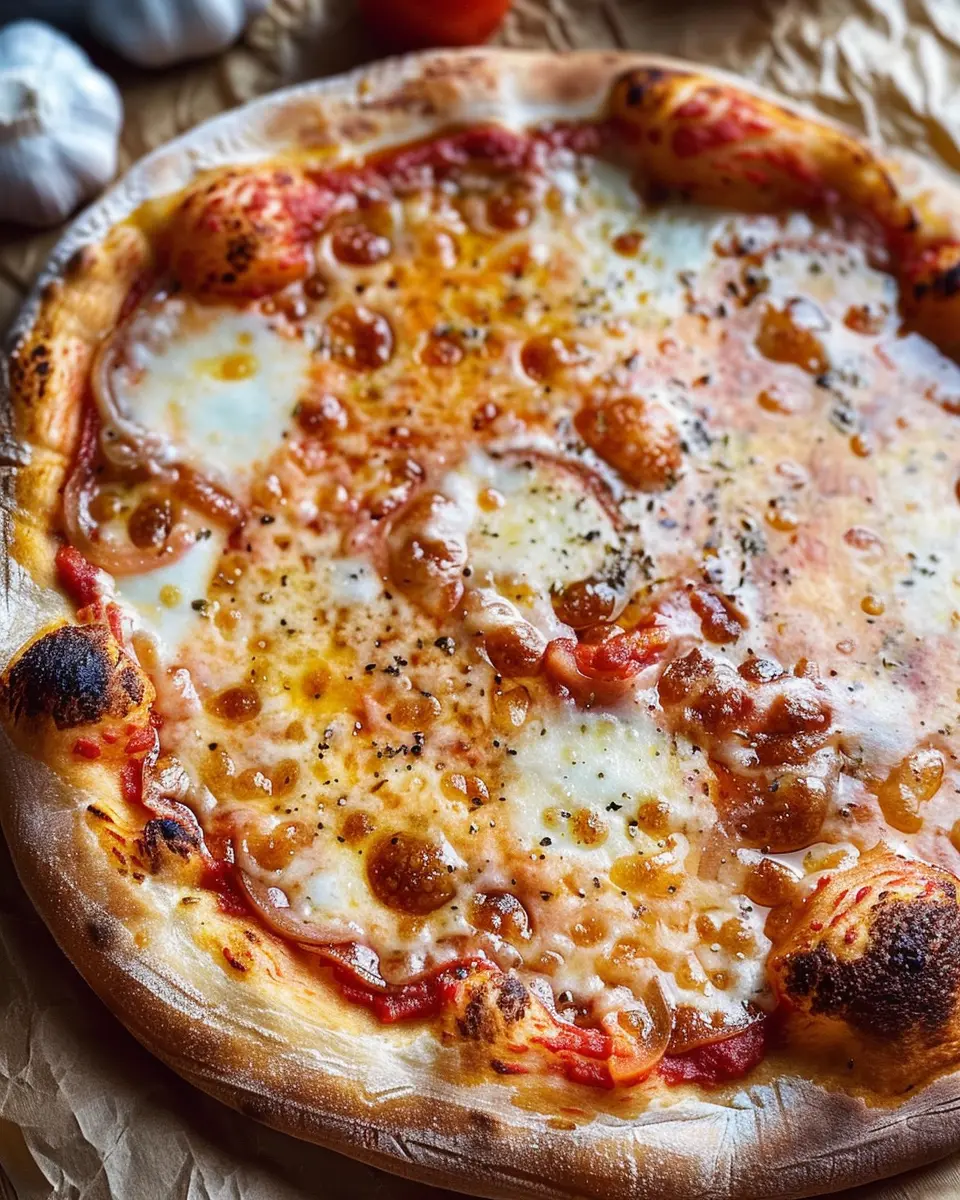
Variations on Basic Pizza Dough
When it comes to basic pizza dough, the beauty lies in its versatility. Whether you’re watching your carbs, have dietary restrictions, or just want to switch things up, there’s a dough variation that fits your needs perfectly. Let’s explore some delicious options.
Whole Wheat Pizza Dough
If you’re looking for a healthier alternative, whole wheat pizza dough is your friend. It has a nutty flavor and is packed with fiber. To make this, simply substitute half or all of the all-purpose flour with whole wheat flour. This not only adds nutritional value but also a delightful texture. You might need a touch more water, so keep that in mind!
For a scrumptious twist, add some herbs like oregano or basil directly into the dough. Whole wheat dough pairs wonderfully with fresh veggies and a lighter sauce.
Gluten-Free Pizza Dough
For those with gluten sensitivities, gluten-free pizza dough is an absolute game changer. You can create a delicious base using a blend of almond flour, tapioca flour, and a little baking powder. Alternatively, look for a store-bought gluten-free flour blend to simplify things.
Keep in mind that gluten-free doughs can be a bit stickier than traditional ones, so don’t shy away from adding extra olive oil or even a spoonful of yogurt to enhance the texture.
In both cases, remember to let your dough rise adequately for the best results. Interested in learning more about the benefits of whole grains or gluten-free options? Check out resources from the Whole Grains Council or the Gluten Intolerance Group.
With these variations, you can enjoy a delicious homemade pizza any night of the week while catering to your dietary needs!
Cooking Tips and Notes for Basic Pizza Dough
Common Pitfalls to Avoid
Making basic pizza dough is a rewarding experience, but a few common missteps can lead to frustration. First, ensure that your yeast is fresh; expired yeast can ruin the rise. Use room temperature water to activate it—not too hot, to avoid killing the yeast. Also, be careful not to over-knead the dough, as it can become tough. Remember, if it’s sticky, a little extra flour can help, but too much will create a dry crust.
Tools and Equipment Recommendations
The right tools can elevate your pizza-making game. Here’s what I recommend:
- Mixing Bowl: A large bowl helps combine ingredients without mess.
- Dough Scraper: This handy tool makes transferring and cutting dough a breeze.
- Rolling Pin: For an even thickness, a rolling pin is essential.
- Pizza Stone or Steel: This helps achieve that coveted crispy crust; both are great options.
If you’re ready to dive deeper into the science of dough, check out resources like King Arthur Baking. Happy cooking!
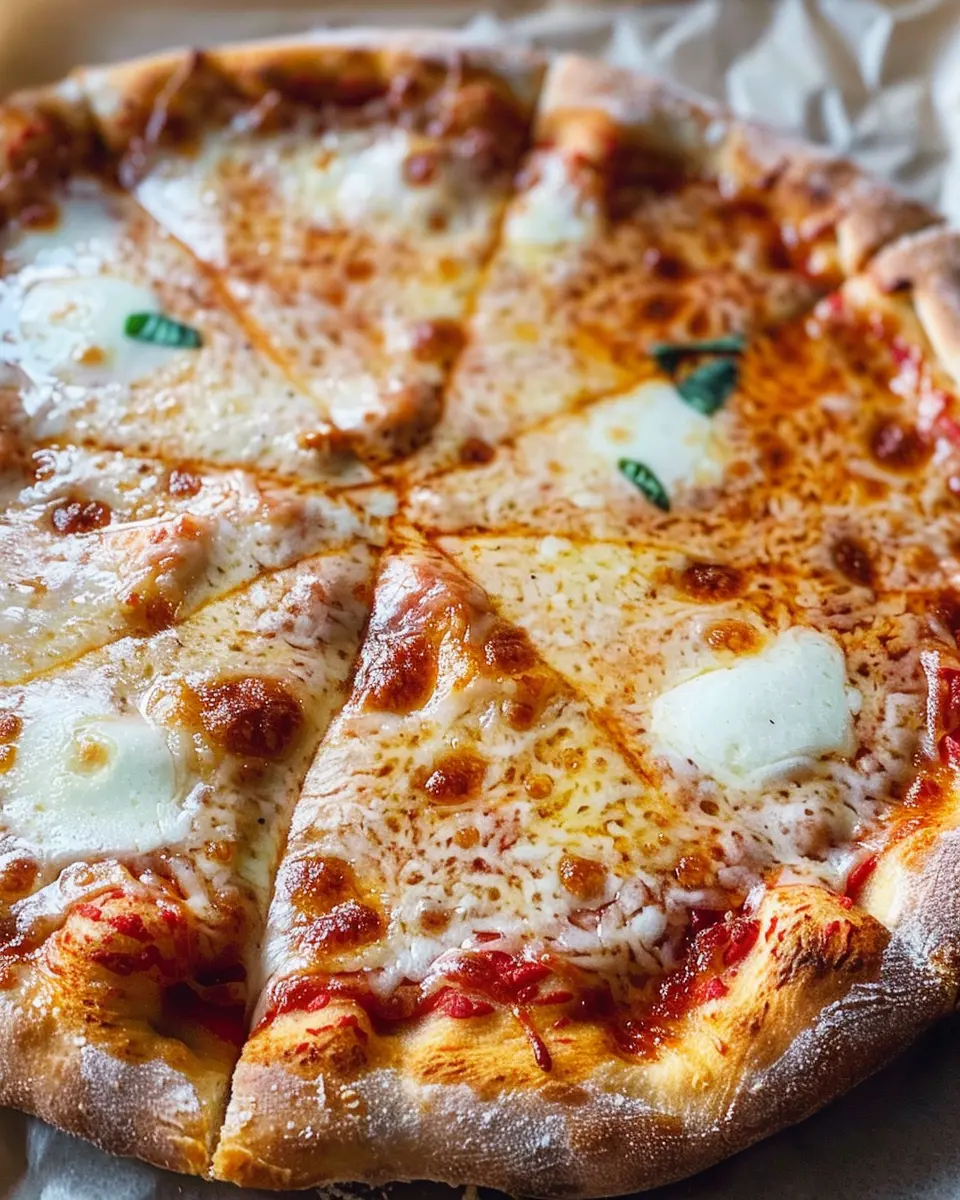
Serving suggestions for Basic Pizza Dough
Classic pizza toppings
When you’re working with basic pizza dough, the possibilities are as endless as your topping imagination! For a traditional approach, try these classic combinations:
- Margherita: Fresh mozzarella, juicy tomatoes, and a sprinkle of basil create a simple yet delicious experience.
- Pepperoni: The quintessential favorite! Top with turkey bacon or spicy beef slices for a tasty twist.
- Veggie Delight: Load up on colorful bell peppers, onions, mushrooms, and olives for a vibrant, guilt-free option.
These familiar favorites can elevate any pizza night, but why stop there?
Creative pizza ideas
Feeling adventurous? Let’s explore some unique toppings:
- BBQ Chicken: Swap tomato sauce for barbecue sauce, and top with chicken ham, red onions, and cilantro.
- Mediterranean: Combine feta cheese, olives, artichokes, and spinach for a fresh, tangy approach that’s irresistibly good.
- Sweet and Savory: Try sliced apples, cheddar cheese, and turkey bacon for an unexpected flavor combination that will wow your guests.
With these ideas, your basic pizza dough can turn into a canvas for culinary creativity. Want some more inspiration? Check out Serious Eats for innovative topping ideas.
Time details for Basic Pizza Dough
When it comes to making basic pizza dough, timing is everything. Here’s a quick breakdown to ensure you have a smooth process:
Preparation time
You’ll need about 15 to 20 minutes to get your basic pizza dough ingredients together and mixed. This is the fun part where you can experiment with your flour type or even add a pinch of herbs for extra flavor!
Rising time
Patience is key! Letting your dough rise takes roughly 1 to 1.5 hours. During this time, you can scroll through your favorite pizza topping ideas or even prepare homemade marinara sauce.
Total time
In total, expect to invest around 1.5 to 2 hours for producing that delightful basic pizza dough. Keep in mind, good things come to those who wait—even pizza! Remember to check out resources like Serious Eats for expert tips on perfecting your dough.
With this timeline, you’ll be well on your way to creating pizza magic at home!
Nutritional Information for Basic Pizza Dough
When crafting your own basic pizza dough, it’s essential to understand its nutritional profile. Each serving typically contains around 200 calories, making it a relatively guilt-free option for pizza lovers.
Carbohydrates and Protein
In terms of macronutrients, you can expect approximately 40 grams of carbohydrates per serving, which serves as a quick energy source. The protein content is about 6 grams, helping to support muscle repair and growth—perfect for those active evenings after a long day at work.
Sodium Content
Sodium is an important consideration, and this basic pizza dough generally has around 400 milligrams of sodium per serving. Keeping sodium intake in check is vital, particularly if you’re watching your overall health. For more detailed sodium guidelines, check out resources from the American Heart Association.
By understanding the nutritional benefits of your basic pizza dough, you can make informed choices about toppings and sides to create a balanced meal. So go ahead, get creative with your pizza creation, and enjoy every bite!
FAQs about Basic Pizza Dough
How do I know when my dough has risen enough?
One of the great joys of making basic pizza dough is watching it grow! You can tell your dough has risen enough when it has doubled in size. A simple test is to gently poke the dough with your finger; if the indentation remains, it’s ready to go. However, if it springs back quickly, give it a bit more time. Remember, factors like temperature can affect rising times, so be patient!
Can I freeze pizza dough?
Absolutely! Freezing basic pizza dough is a smart way to ensure you always have a batch ready for spontaneous pizza nights. Just shape your dough into a ball, coat it lightly with olive oil to prevent sticking, and wrap it tightly in plastic wrap before placing it in a freezer bag. It will keep for up to three months. When you’re ready to use it, simply thaw overnight in the refrigerator or pop it in a warm spot for a few hours!
What should I do if my dough is too sticky?
Dealing with sticky dough can be frustrating, but don’t worry—there are solutions! Start by gently sprinkling in flour, a tablespoon at a time, and knead it until the dough is smooth and elastic. Alternatively, you can oil your hands and work surface to help manage the stickiness. If you’d like to dive deeper into troubleshooting dough issues, resources like King Arthur Baking offer fantastic tips and tricks.
Making basic pizza dough can be a truly rewarding experience, especially when you can answer these common questions with confidence. Happy baking!
Conclusion on Basic Pizza Dough
Recap of Homemade Pizza Dough Benefits
Making basic pizza dough at home offers a plethora of benefits that elevate your culinary experience. Not only is it fresher compared to store-bought options, but you also have complete control over ingredients. This allows you to tailor your dough to your specific tastes, whether you prefer it thin, crispy, or more on the chewy side.
Moreover, creating your own dough can be a fun and fulfilling project. Next time you’re planning a cozy night in, consider teaming up with friends or family for a pizza-making party! If you’re looking for inspiration, check out this guide on how to make unforgettable pizza.
Basic pizza dough opens the door to limitless topping combinations, ensuring that every bite is as unique as you are. So roll up your sleeves and unleash your inner pizzaiolo!
PrintBasic Pizza Dough: The Best Homemade Recipe for Everyone

Learn how to make the perfect basic pizza dough from scratch with this easy recipe.
- Prep Time: 15 minutes
- Cook Time: 15 minutes
- Total Time: 1 hour 30 minutes
- Yield: 1 medium pizza 1x
- Category: Pizza
- Method: Baking
- Cuisine: Italian
- Diet: Vegetarian
Ingredients
- 2 cups all-purpose flour
- 1 teaspoon salt
- 1 teaspoon sugar
- 1 packet active dry yeast
- 3/4 cup warm water
- 1 tablespoon olive oil
Instructions
- In a bowl, combine warm water, sugar, and yeast. Let it sit for 5 minutes until frothy.
- In a separate bowl, mix flour and salt.
- Combine the yeast mixture with the flour mixture and add olive oil.
- Knead the dough on a floured surface for about 10 minutes until smooth.
- Place the dough in a greased bowl, cover, and let it rise for 1 hour or until doubled in size.
- Punch down the dough and roll it out on a floured surface.
- Add your favorite toppings and bake in a preheated oven at 475°F for 12-15 minutes.
Notes
- For a crispier crust, pre-bake the dough for 5 minutes before adding toppings.
- You can freeze the dough for later use.
Nutrition
- Serving Size: 1 slice
- Calories: 150
- Sugar: 1g
- Sodium: 300mg
- Fat: 3g
- Saturated Fat: 0.5g
- Unsaturated Fat: 2g
- Trans Fat: 0g
- Carbohydrates: 28g
- Fiber: 1g
- Protein: 4g
- Cholesterol: 0mg
Keywords: Basic Pizza Dough, Homemade Pizza